


Blog
When Is Too Late For Ear Molding? | Baby Ear Shape Corrector Guide

When is too late for ear molding?
Many parents only notice their baby’s misshapen ears several weeks after birth and wonder: when is too late for ear molding? Non‑surgical ear molding with a baby ear shape corrector depends on soft neonatal ear cartilage. There is a narrow biological window for intervention, and beyond certain ages, permanent reshaping via external molding is no longer realistic. Understanding these time‑related limits helps families avoid wasting precious opportunities for non‑invasive correction.
Biological timeline that defines the ear‑molding cutoff point
Right after birth, maternal hormones keep infant ear cartilage pliable. This is the foundation for how a baby ear shape corrector achieves reshaping. As those hormones get metabolized inside the baby’s body week by week, hyaluronic acid levels drop and cartilage gradually stiffens. Once tissue becomes rigid, external gentle pressure cannot remodel its internal structure anymore.
What biological change makes baby ear shape corrector stop working?
Falling maternal hormone concentrations reduce hyaluronic acid within ear cartilage. This biochemical shift turns soft, bendable cartilage into firm, fixed tissue. A baby ear shape corrector can only guide cartilage growth while it remains malleable. After hardening completes, even consistent long‑time wear will fail to deliver permanent reshaping outcomes.
Distinction between golden window and acceptable late‑start phase
The highest‑success golden window for ear molding runs from 72 hours up to 6 weeks of age. In this period, cartilage shows maximum responsiveness. Even if you miss this peak time, limited improvement may still be possible up to three months. However, outcomes become far less predictable, and treatment cycles will become longer when using a baby ear shape corrector in this late‑start range.
Can you still try a baby ear shape corrector at 8‑12 weeks old?
Some infants at 8‑12 weeks still retain partial cartilage softness and may gain partial improvement. But you should not expect full correction results. Professional medical assessment is strongly recommended. If examination finds cartilage already stiff, spending weeks on a baby ear shape corrector will likely waste time without meaningful permanent changes.
Signs that ear molding is no longer a viable option
Generally speaking, after three months of age, ear molding is considered too late for most babies. Even if ears still look deformed, cartilage has mostly finished hardening. While putting on a baby ear shape corrector may create temporary positional adjustment, ears will spring back to their original shape right after removing the device.
What visible clues tell you infant ear cartilage has hardened?
When you gently squeeze the baby’s outer ear, it feels firm and springs back immediately instead of staying bent for a short moment. The ear keeps its deformed form after you manually reposition it and let go. These practical signs indicate cartilage plasticity is gone, and non‑surgical molding will not produce lasting results.
What to do once you miss the window for non‑surgical molding
Once ear molding is too late, parents should not keep trying home‑use molding accessories. Instead, seek consultation with pediatric plastic specialists to learn about surgical options for later childhood. Otoplasty surgery can permanently adjust ear shape once children reach a suitable age for the procedure.
Are there any non‑surgical workarounds after ear molding is too late?
There are no reliable non‑surgical workarounds. No stickers, clips or a baby ear shape corrector can permanently reshape hardened cartilage. Any shape change you observe only exists while the device stays in place. Once removed, the ear reverts to its original deformed condition.
Advice for parents to avoid missing the best intervention period
If you spot unusual ear contours on your newborn, avoid adopting a passive “wait‑and‑see” mindset. Book pediatric assessment as early as possible. Even if your baby is past 6 weeks old, get expert judgement to decide whether a baby ear shape corrector is still worth attempting for your unique case.
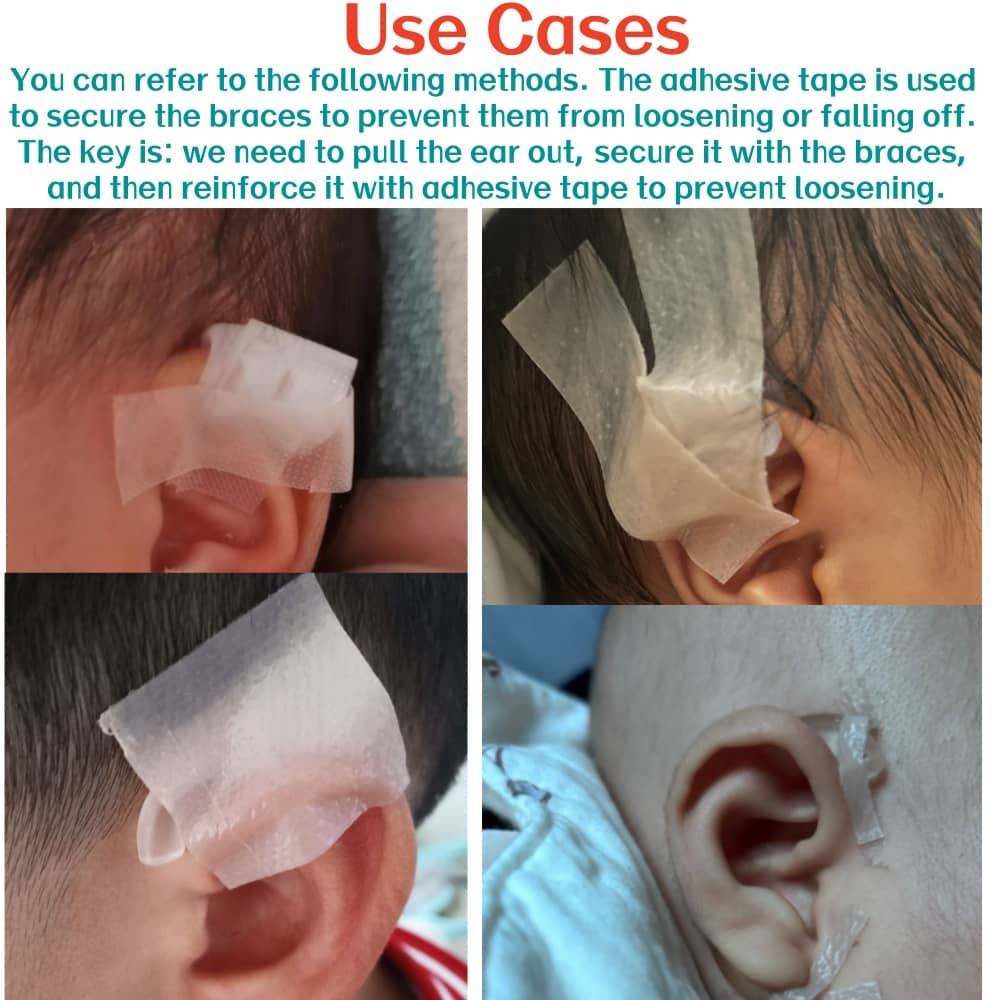
baby ear shape corrector