


Blog
How Do I Get My Ears Back To Normal? | Baby Ear Correction Guide

How do I get my ears back to normal?
When parents notice misshapen ears on their newborn babies, they often wonder: how do I get my ears back to normal? Restoring natural ear appearance depends heavily on the baby’s age and the type of ear deformity. Baby ear correction offers a non‑invasive route for qualified newborns, while older children may need other treatment solutions. Understanding available paths helps caregivers set realistic goals and take timely action.
Non‑surgical path: baby ear correction for newborn infants
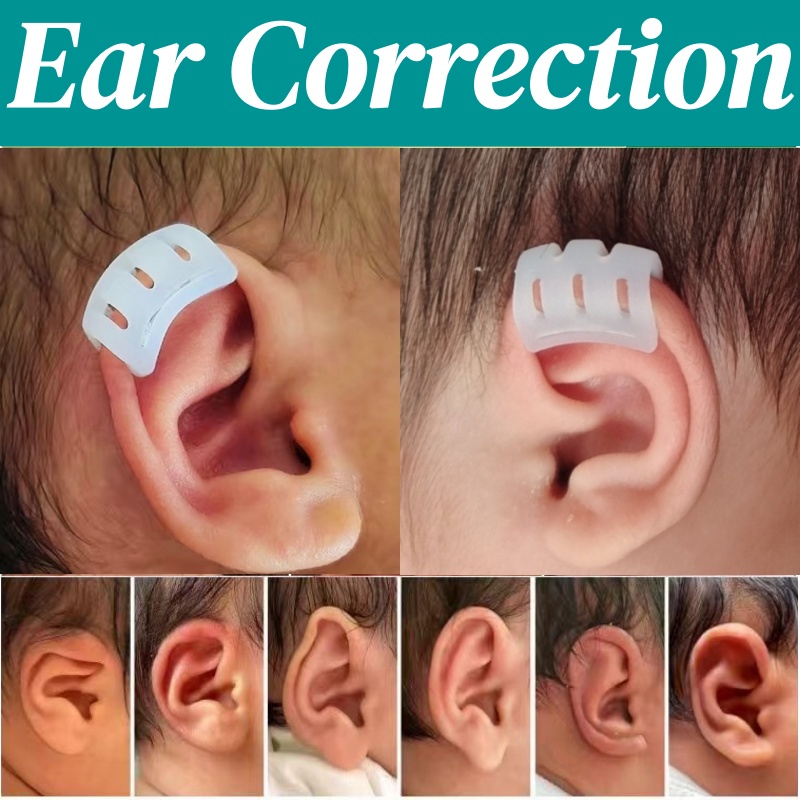
For young infants within the optimal biological window, non‑surgical molding is the primary way to bring ears closer to normal form. Baby ear correction uses soft silicone molds paired with gentle medical‑grade adhesive tape. Instead of cutting tissue, the system holds bent ear cartilage in natural positions and lets tissue harden into corrected contours over multiple weeks of consistent wear.
How does baby ear correction restore normal ear contours for babies?
Newborn ear cartilage stays soft due to residual maternal hormones. Baby ear correction delivers mild, continuous external pressure to re‑position folded cartilage. As hormone levels drop week by week, cartilage solidifies in the corrected position. If intervention happens early enough, ears can develop near‑normal shape without incisions or scarring.
Which ear conditions can return to normal via non‑surgical methods
Non‑surgical molding works best for cartilage‑fold deformations where the full ear tissue is already fully formed. This includes protruding ears, lop ears, cryptotia, cup‑shaped ears and Stahl’s ear. These deformations arise from in‑womb cartilage bending rather than missing ear structures.
Can all misshapen baby ears go back to normal with molding?
No. Baby ear correction cannot fix malformations such as microtia, where parts of ear tissue are absent. These defects cannot be solved by external molds. In addition, even for treatable deformations, perfect 100% normal symmetry is not always guaranteed; partial improvement is a common realistic outcome for some infants.
Age impact on getting ears back to normal shape
Timing plays a decisive role. The highest‑success period falls within the first six weeks after birth. Limited improvement may still be achievable up to three months of age. Once cartilage hardens completely, non‑surgical tools can only create temporary positioning effects instead of permanent normal‑looking ears.
Is it still possible to restore normal ear shape for older infants?
After three months old, permanent reshaping through baby ear correction becomes very unlikely. Even with long‑time daily wear, ears will revert to their deformed appearance once you remove the molding devices. At this stage, non‑surgical home products can no longer deliver lasting normal ear contours.
Surgical options when non‑surgical methods are no longer effective
For children who have missed the non‑surgical golden window, cosmetic ear surgery known as otoplasty becomes the main method to reshape ear structure. This surgical procedure modifies hardened cartilage to recreate natural ear folds and proportions, and it is usually performed when kids reach a suitable age.
What should parents know before choosing surgical ear correction?
Otoplasty involves incisions and recovery time, and it carries standard surgical risks. Parents need to consult pediatric plastic specialists to evaluate the child’s physical condition, understand expected results, recovery process and potential complications before making a final decision.
Practical steps parents can take right away
If you find unusual ear shapes on your newborn, do not simply wait hoping ears will self‑fix. Seek assessment from pediatric or ear‑nose‑throat specialists as soon as possible. Medical evaluation will tell you whether baby ear correction is suitable for your baby, or if you need to consider long‑term surgical planning for the future.
baby ear correction