


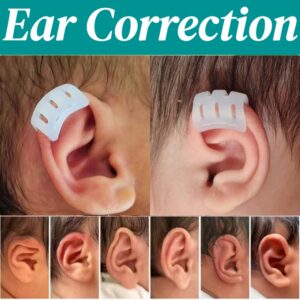
Baby Ear Molding Corrector Clip Newborn for Ear Deformity Correction
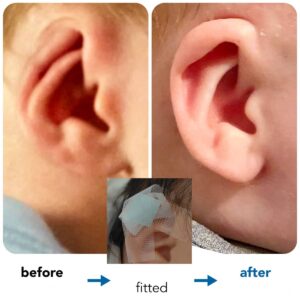
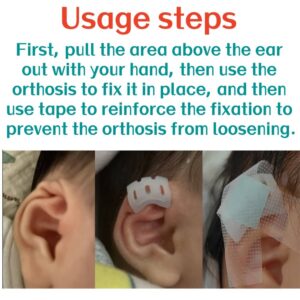
Cryptotia Ear Corrector for Newborn 0‑12 Months, Non‑Surgical Hidden Buried Ear Deformity Repair
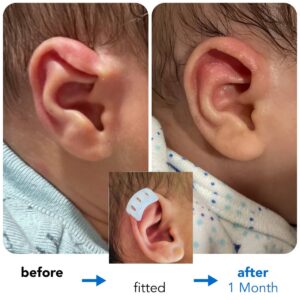
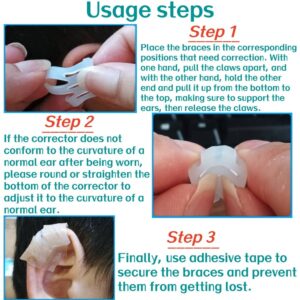
Lop Ear Corrector | Non‑Surgical Lop Ear Deformity Fix for Babies, Children & Adults
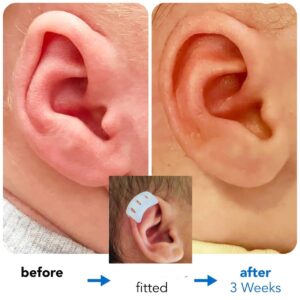
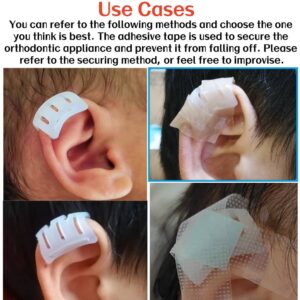
Constricted Ear Corrector for Newborn 0‑12 Months, Non‑Surgical Fix for Folded‑Over Helical Rim Kink Deformity
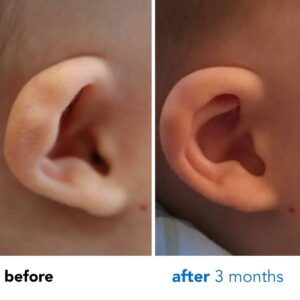
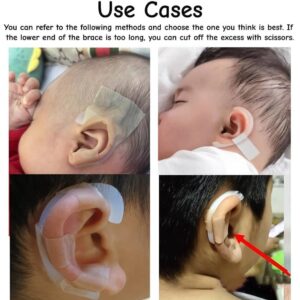
Cup‑Shaped Ear Corrector for Newborn 0‑6 Months, Non‑Surgical Fix for Cup Ear and Stick‑Out Earlobes Deformity
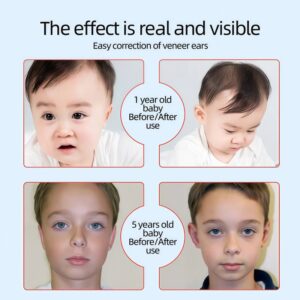
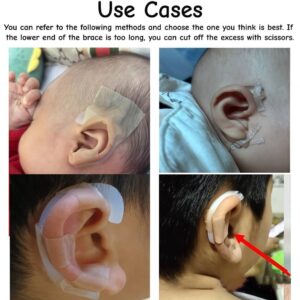
Elf Ear Corrector for Veneer, Vertical & Stand Ear, Non‑Surgical for Babies 0‑12 Months Old
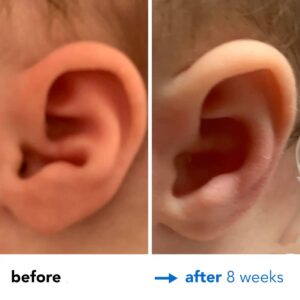
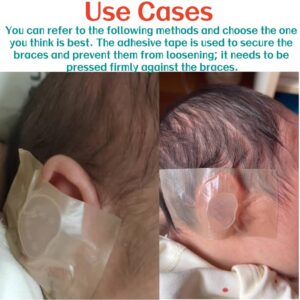
Conchal Crus Ear Corrector, Non‑Surgical Conchal Crus Deformity Fix for Infants
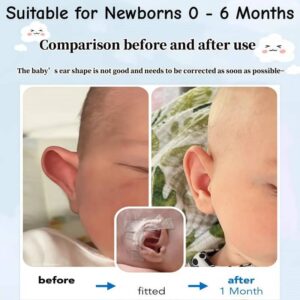
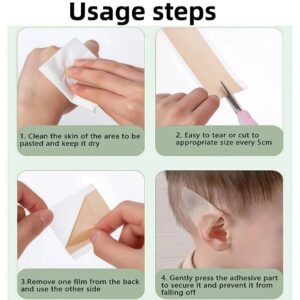
Protruding Ear Correction Stickers for Newborn 0‑6 Months, Non‑Surgical Fix for Prominent Sticking‑Out Ears
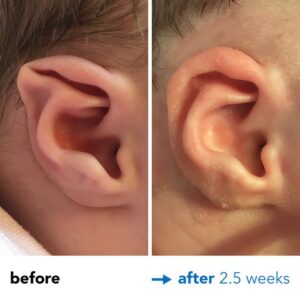
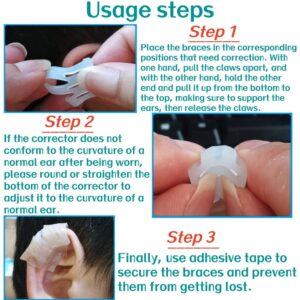
Stahl’s Ear Corrector for Babies, Children & Adults, Non‑Surgical Fix for Stahl’s Bar Pointed Elf Ear Deformity
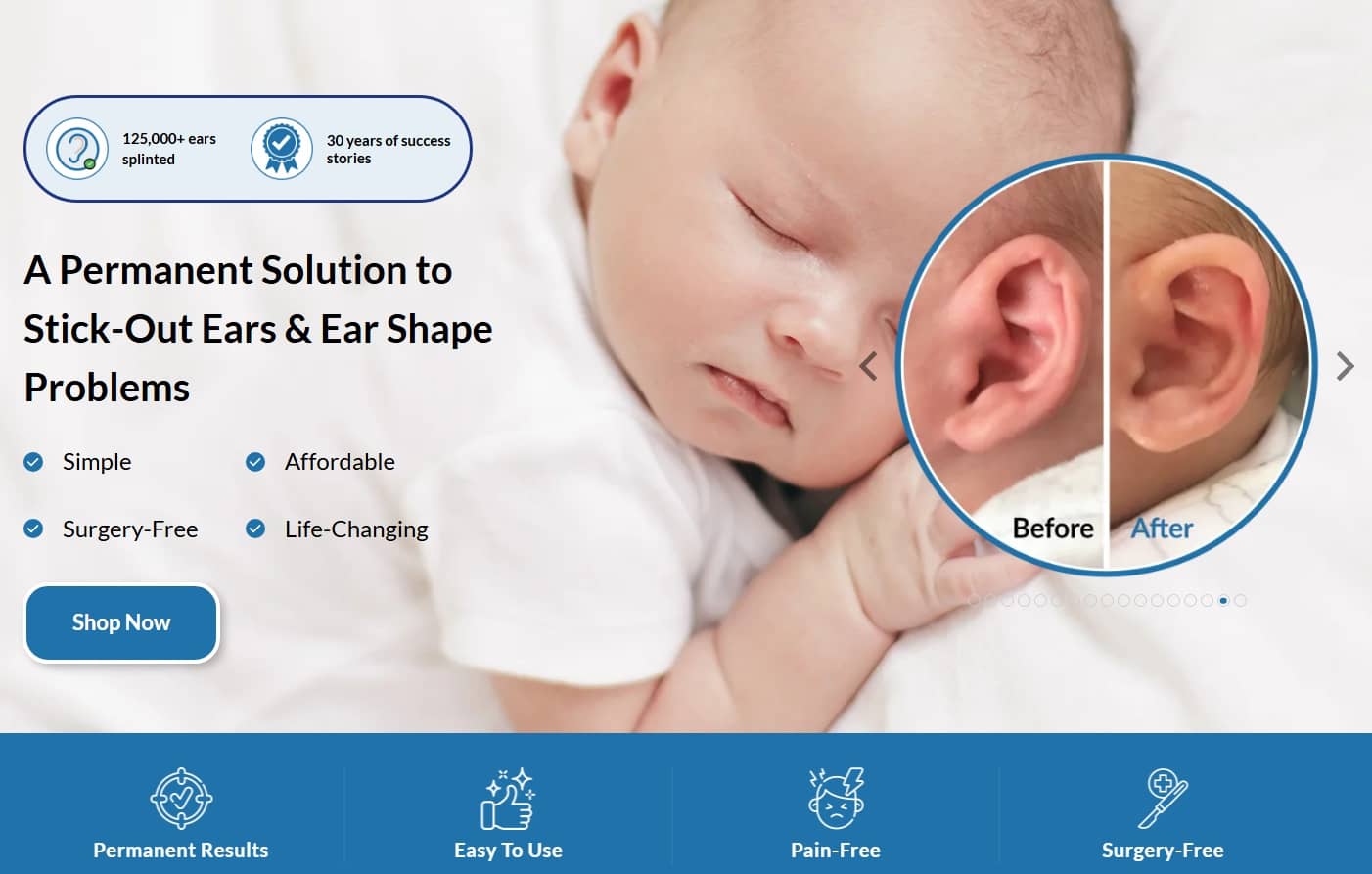
BabyEarFix | Non‑Surgical Infant Ear Molding Corrector for Newborn Congenital Ear Deformities
BabyEarFix provides silicone‑based non‑surgical ear reshaping kits for newborns, infants, selected children and adults, to improve multiple congenital auricular deformities without otoplasty surgery.
Brand Introduction & Core Ear‑Molding Principle
What is BabyEarFix?
BabyEarFix specializes in non‑surgical ear correction solutions for congenital newborn ear deformities. The brand supplies hypo‑allergenic silicone splints, clips and correction sticker kits for parents worldwide, together with online one‑on‑one fitting guidance service.
How does non‑surgical infant ear molding work?
Newborn ear cartilage contains high maternal‑estrogen‑driven hyaluronic acid, making cartilage soft and malleable. BabyEarFix silicone devices apply gentle, constant external pressure to guide cartilage to remodel into natural auricle shape as it hardens naturally.
What is the golden window for newborn non‑surgical ear correction?
The optimal golden intervention window is 72 hours to 6 weeks after birth. Within this period, infant ear cartilage remains most pliable. Partial improvement may still be achievable up to 3 months old. After cartilage hardens, non‑surgical reshaping becomes far less predictable.
What Kinds of Ear Deformities Can BabyEarFix Products Improve
What congenital ear deformities are suitable for BabyEarFix non‑surgical correction?
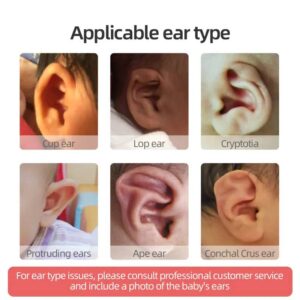
BabyEarFix kits target multiple deformations including lop ear, constricted ear, cryptotia(hidden ear), Stahl’s ear(elf‑Spock ear), conchal crus ear, cup‑shaped ear, stick‑out earlobes and protruding prominent ears. It works for structural cartilage folding deformations where ear tissue is complete.
Which ear conditions cannot be fixed by BabyEarFix ear molding kits?
This cosmetic reshaping system cannot treat microtia, anotia or ear conditions with missing ear tissue. For these severe malformations, you must consult pediatric ENT or plastic‑surgery specialists for clinical assessment.
BabyEarFix Full Product Series Overview
What product types does BabyEarFix offer for ear correction?
Two main product categories: silicone splint‑clip kits for most folded cartilage deformities, and pure silicone‑gel correction stickers for protruding prominent ears. Separate editions are available for newborn 0‑12‑month infants, children and adults.
What is the difference between newborn‑version and child‑adult‑version kits?
Newborn kits are designed for soft infant cartilage with yellow‑colored thin adhesive tapes. Child‑adult kits adopt harder‑strength components and white‑specification tapes for relatively hardened cartilage of older users.
User Support & Real‑World User Experience
Does BabyEarFix provide online fitting guidance for ear corrector kits?
Online one‑on‑one usage and fitting guidance service is included with every kit purchase. Support team helps caregivers with component selection, installation, position adjustment and daily skin‑care reminders during correction cycles.
What do verified purchasers report about BabyEarFix ear molding kits?
Many verified buyers report partial visible ear‑shape improvement within several days to weeks with consistent, correct wearing. Final correction outcomes differ by starting age, deformity severity and adherence to fitting guidance.