


Blog
Can I Fix My Ear Shape? | Infant Ear Corrector Complete Guide

Can I fix my ear shape?
Many parents notice irregular ear contours on their newborns and ask: Can I fix my ear shape? The answer depends heavily on the child’s age and the type of ear anomaly. An infant ear corrector makes non‑invasive reshaping achievable for young babies, yet this solution does not work for all ages or all ear conditions. Knowing clear boundaries helps parents set reasonable goals and avoid misleading product promises.
Age is the biggest factor to fix ear shape with infant ear corrector
Non‑surgical ear reshaping relies on the natural softness of neonatal ear cartilage. Right after birth, maternal hormones keep ear tissue flexible. An infant ear corrector uses soft silicone components and medical‑grade tape to apply steady mild pressure. As hormones fade over weeks, cartilage gradually becomes rigid and loses its ability to remodel under external pressure.
Why does age decide whether you can reshape ear contours non‑surgically?
Newborn cartilage contains high hyaluronic acid brought by maternal hormones, making tissue bendable. This special biochemical state only lasts for a short neonatal period. Once hormones are metabolized out of the baby’s body, cartilage hardens. At this point, even high‑quality infant ear corrector cannot produce permanent changes to ear form.
Which ear‑shape issues an infant ear corrector can address
An infant ear corrector delivers good outcomes for folding‑based ear deformations where all ear tissue is fully developed. Common applicable cases include protruding ears, lop ears with folded upper rims, cryptotia, cup‑shaped ears and Stahl’s ear. These conditions happen when cartilage gets bent in the womb instead of tissue being missing.
What kinds of ear problems cannot be solved by an infant ear corrector?
It cannot repair severe malformations such as microtia, where sections of ear tissue are under‑developed or absent. These structural defects need specialist reconstructive evaluation. Traumatic ear injuries after birth also cannot be fixed only by external molding accessories and require formal medical treatment.
Realistic expectations when trying to fix baby ear shape
Even under ideal age and deformity conditions, perfect results are not guaranteed for every baby. Individual biological differences affect cartilage response. Consistent, correct daily wear of an infant ear corrector is also essential to reach satisfying ear contours.
Can every baby get perfectly symmetrical ears after ear molding?
No. Minor natural asymmetry exists among most human ears. While infant ear corrector can greatly improve obvious deformities, it may not create 100% identical left‑and‑right ear shapes. Partial improvement rather than absolute perfection is a common realistic result for many infants.
Options if non‑surgical infant ear reshaping is no longer possible
After the cartilage hardens in late infancy, non‑surgical molding loses its effectiveness. Temporary cosmetic positioning may appear while wearing a corrector, but ears will bounce back once you remove the device. In this situation, non‑invasive home tools can no longer permanently fix ear shape.
What choices are available once newborn cartilage has hardened?
For older children with noticeable ear deformities, cosmetic ear surgery known as otoplasty becomes the main permanent solution. Parents should consult pediatric plastic surgeons to understand suitable operation timing, potential risks and expected outcomes for their child’s unique ear condition.
Important pre‑treatment advice for parents
Before purchasing and using an infant ear corrector, seek assessment from pediatric or ear specialists. Expert examination confirms if your baby is a proper candidate for non‑surgical reshaping. Avoid adopting a “wait‑and‑see” attitude, because delaying may close the narrow golden window for non‑surgically fixing ear shape.
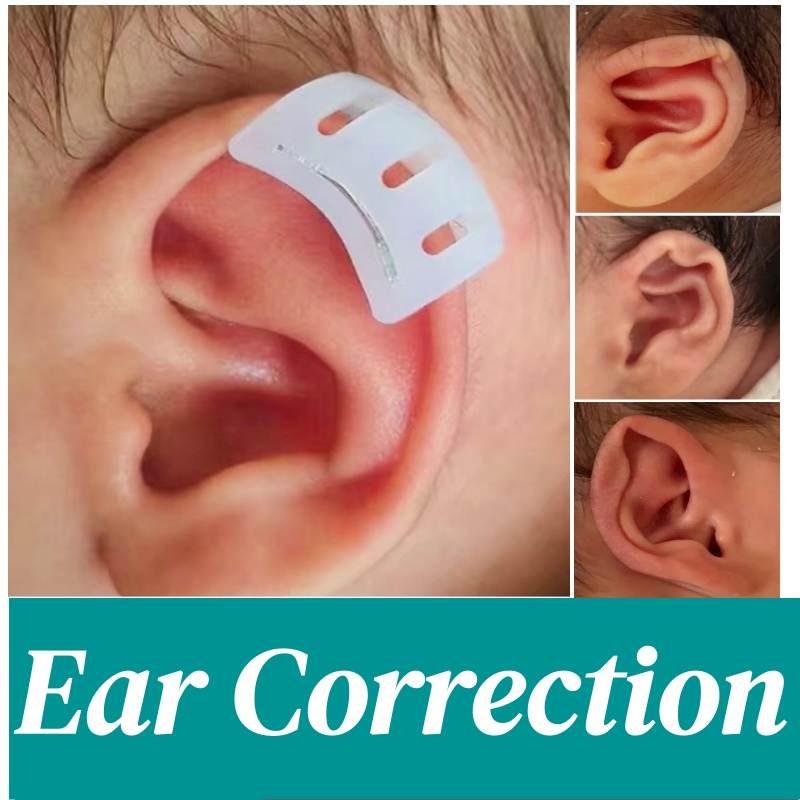
infant ear corrector