Blog
What Causes Deformed Ears In Babies? | Ear Corrector Babies Guide

What causes deformed ears in babies?
Many parents are surprised to see misshapen ears right after their baby is born and ask: What causes deformed ears in babies? Some ear shape problems come from external physical pressure before birth, while others stem from developmental or genetic factors. Knowing the root cause helps tell which cases can benefit from ear corrector babies non‑surgical molding and which require different medical care.
Common prenatal pressure‑related causes of baby ear deformations
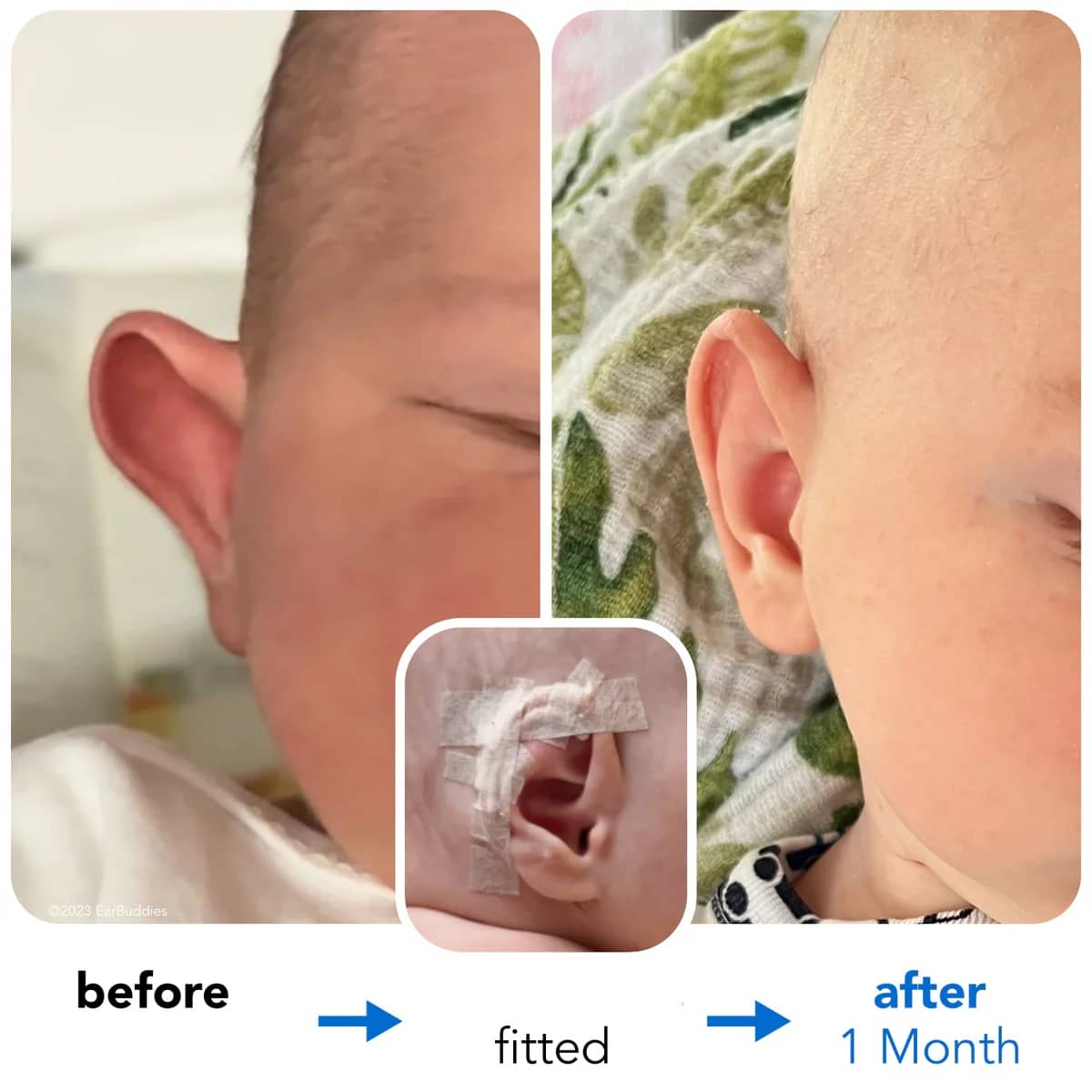
A large share of infant ear shape deformations develop while the baby is still inside the uterus. Limited space in the womb can push and bend fully‑formed ear cartilage against the uterine wall, pelvic bone, or a twin sibling. This mechanical pressure folds the ear structure, creating conditions such as lop ears, protruding ears, Stahl’s ear and cryptotia. The ear tissue itself is complete, but its shape becomes distorted by outside force.
Can pressure inside the womb lead to ear shape issues that ear corrector babies treat?
Yes. Most folding‑type ear deformations caused by intrauterine pressure are exactly the cases suitable for ear corrector babies. Since all cartilage tissue is present and only bent, gentle sustained pressure from molding devices can guide cartilage back into natural contours during the soft neonatal window.
Difference between ear deformations and congenital ear malformations
It is critical to separate deformations from malformations. Deformations mean fully‑developed ear cartilage gets bent by outside forces. Malformations happen when ear tissue fails to grow properly during fetal development, leading to missing or under‑developed ear parts. These two categories have very different treatment pathways and outcomes.
Are malformations fixable by using an ear corrector babies system?
No. Ear corrector babies can only reshape existing bent cartilage. If parts of the ear are absent or under‑developed such as microtia, external molding cannot generate missing tissue. These malformations need evaluation from pediatric plastic specialists for potential reconstructive surgery later in childhood.
Birth‑related factors that may alter newborn ear appearance
The physical stress of labor and delivery can also temporarily twist or fold a baby’s ears as the infant moves through the birth canal. These short‑term creases often appear swollen right after birth. Many of these minor birth‑induced marks fade naturally within a few days as swelling reduces.
Do temporary birth‑related ear folds always turn into permanent deformities?
No. Many superficial creases from birth pressure disappear within 48‑72 hours as swelling goes down. Only folds that persist beyond the first several days represent true structural deformations that may need assessment and possibly ear corrector babies intervention.
Genetic influences on baby ear shape
Genetic inheritance also plays a role in how a baby’s ears form. Certain ear shape features can pass down through family lines. If parents have prominent or uniquely shaped ears, their newborn may show similar ear anatomy. Inherited traits may combine with uterine pressure to make deformations more noticeable.
Does family history raise the chance of needing ear corrector babies treatment?
Family background will not directly cause a deformity, but it can create ear anatomy more prone to folding under prenatal pressure. Having relatives with similar ear features means you should watch your newborn’s ear appearance closely, though it does not guarantee you will need ear corrector babies.
Why understanding causes helps choose the right infant ear treatment
Pinpointing what caused your baby’s ear shape issue helps medical experts decide next steps. Pressure‑caused deformations are strong candidates for non‑surgical molding within the golden neonatal window. Malformations and genetic variations require different care paths. Whenever you spot unusual ear shapes in a newborn, seek pediatric evaluation early rather than simply waiting to see if they self‑improve.
protruding ears non surgical 1