


Blog
Do Protruding Ears Fix Themselves? | Newborn Ear Shape Corrector Guide

Do protruding ears fix themselves?
Many new parents observe outward‑angled ears on their newborn infants and wonder: Do protruding ears fix themselves? It is easy to hope that ears will flatten naturally as the baby grows. In reality, only very mild temporary birth‑related changes may fade. Genuine protruding‑ear deformities seldom self‑resolve. A newborn ear shape corrector offers non‑surgical reshaping within a limited biological window, but parents need clear knowledge to avoid missed opportunities.
The difference between temporary ear changes and true protruding‑ear deformity
Some newborns show outward ear positioning shortly after delivery due to compression inside the birth canal. These temporary shifts come from tissue swelling rather than permanent cartilage defects. True protruding ears stem from incomplete formation of the inner anti‑helical fold of ear cartilage. This structural feature is missing at birth and will not simply reappear over time.
Are short‑term ear bulges after birth natural and self‑resolving?
Yes. Minor outward positioning caused by birth swelling can settle within 48‑72 hours after birth. If the ear returns to a normal resting angle once swelling subsides, no intervention is required. However, if ears remain noticeably sticking out after swelling fades, you are looking at a real protruding‑ear deformity that will not disappear spontaneously.
Why real protruding ears rarely resolve without intervention
Ear cartilage holds a natural shape memory. Once the anti‑helical fold fails to form in fetal life, cartilage tends to keep its existing bent configuration. As the infant matures and cartilage hardens, the outward‑projecting ear position becomes more stable. It will not automatically fold back toward the head as the child gets older.
What biological reason stops protruding ears from fixing on their own?
The missing anti‑helical fold cannot regenerate without external guidance. After maternal hormones drop, cartilage loses pliability and sets into its existing form. Without steady external support like a newborn ear shape corrector, cartilage cannot create the missing fold by itself, so protruding features persist into childhood.
When a newborn ear shape corrector can help protruding ears
A newborn ear shape corrector works best within the golden window of 72 hours to 6 weeks of age. The soft silicone device holds ear tissue in the correct folded position for most hours each day. As cartilage gradually solidifies, it builds the natural anti‑helical fold and reduces outward projection permanently.
Can a newborn ear shape corrector deliver good results for older babies?
Partial improvement might still be possible up to three months old, yet success rates drop significantly. Once cartilage hardens past three months, even consistent wear of a newborn ear shape corrector only creates temporary positioning. Ears spring back to their protruding shape right after removing the corrector.
Risks of adopting a “wait‑and‑see” approach for protruding ears
Choosing to wait for self‑correction carries hidden downsides. The narrow neonatal window for non‑surgical reshaping can slip away unnoticed. Once cartilage matures, non‑invasive options are no longer viable, and surgical otoplasty becomes the main permanent solution later in childhood.
What negative outcomes may happen if you keep waiting for self‑correction?
You may lose the chance for scar‑free non‑surgical treatment. As kids grow older, prominent protruding ears can draw teasing from peers and affect children’s self‑confidence. Delaying assessment does not make the deformity go away; it merely eliminates your least invasive treatment choices.
Practical next‑step guidance for parents of babies with protruding ears
Observe your baby’s ears for several days after birth to rule out swelling‑related temporary positioning. If obvious protruding features remain, arrange a pediatric consultation quickly. Medical professionals can confirm whether a newborn ear shape corrector is suitable for your baby’s unique ear condition, rather than relying on hopes for spontaneous self‑fixing.
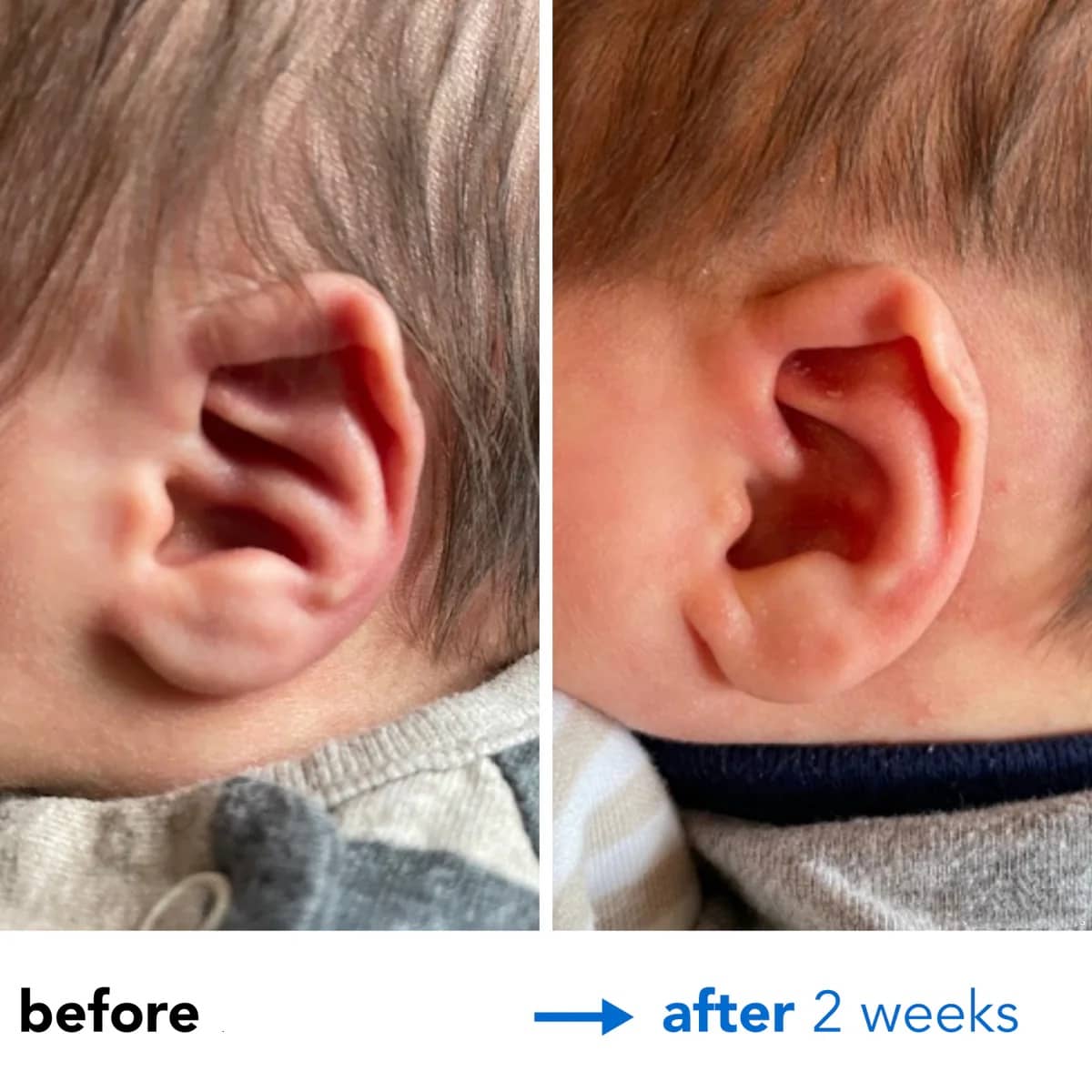
newborn ear shape corrector