


Blog
How Do I Know If My Baby Needs Ear Molds? | Ear Molding Newborn Guide

How do I know if my baby needs ear molds?
Many new parents feel uncertain when they notice uneven or unusual ear shapes on their little one. It can be hard to tell whether the feature will correct itself naturally or requires intervention. Ear Molding Newborn offers non‑surgical reshaping for specific infant ear issues, yet it is not required for every minor difference in appearance. Learning to spot key signs will help you judge whether ear molds are worth considering for your baby.
Visible ear deformity signs that may call for Ear Molding Newborn
Some ear irregularities stem from folded cartilage formed before birth, rather than temporary positioning from sleep or birth pressure. These persistent structural folds rarely disappear without support. If you observe consistent differences between two ears or obvious abnormal contours week after week, ear molds may be a suitable option to explore.
What common physical features indicate a need for ear molds?
You may consider Ear Molding Newborn if you spot protruding ears, lop ears with a folded upper rim, cup‑shaped ears, cryptotia where part of the ear hides under scalp skin, Stahl’s ear with extra cartilage ridges, or conchal crus deformity. These deformities exist due to bent cartilage while the full ear tissue is complete. Temporary creases that fade within a few days after birth usually do not need molding treatment.
When ear molds are NOT the right solution for your baby
Ear molds only work for cartilage‑folding deformities. They cannot repair missing ear tissue or injuries. Some subtle asymmetries are within normal human variation and do not demand any correction. Using molds when they are unnecessary may expose your baby to avoidable skin irritation from silicone and adhesive tape.
Are some ear shape concerns unsuitable for Ear Molding Newborn?
Yes. Ear molds cannot treat severe malformations such as microtia, where sections of the ear are under‑developed or absent. These complex cases need formal medical evaluation and possible surgical treatment. Minor natural asymmetry between left and right ears is also normal and does not require Ear Molding Newborn intervention.
Why age and cartilage condition matter for ear mold suitability
Even if your baby shows typical deformity signs, age and cartilage softness are critical criteria. Ear molds deliver best outcomes when cartilage remains pliable under residual maternal hormones. As cartilage hardens month by month, the effectiveness of non‑surgical molding drops sharply, even for babies with obvious ear shape issues.
Can age rule out whether a baby should try ear molds?
It can limit suitability greatly. Ear Molding Newborn is most effective within the first 8 weeks of life. If your baby is already older than three months and cartilage feels firm and rigid, ear molds will not create permanent reshaping results. At this stage, non‑surgical molding is no longer a practical choice, regardless of visible ear appearance.
Steps parents should take before deciding on ear molding
Parental observation is a good starting point, but self‑assessment alone cannot confirm if ear molds are appropriate. You should document ear appearance over several days, take clear photos, and seek advice from pediatric or ear specialists. Medical professionals can tell whether the shape will self‑resolve or needs early non‑invasive treatment.
Should parents rely only on their own observation to decide?
No. What looks like a serious deformity to a parent might just be temporary birth‑related folding. Conversely, some subtle deformities are easy to miss without professional knowledge. Getting expert assessment prevents you from rushing into Ear Molding Newborn when it is unnecessary, or missing the narrow golden treatment window for cases that truly need correction.
Final summary for evaluating baby ear‑molding needs
To sum up: your baby may need ear molds when they have persistent folded‑cartilage ear deformities and are still within the optimal young age window. However, not every unusual‑looking ear requires Ear Molding Newborn. Always combine visual observation with professional medical consultation. This approach helps you make safe, sensible choices for your infant’s ear health and appearance.
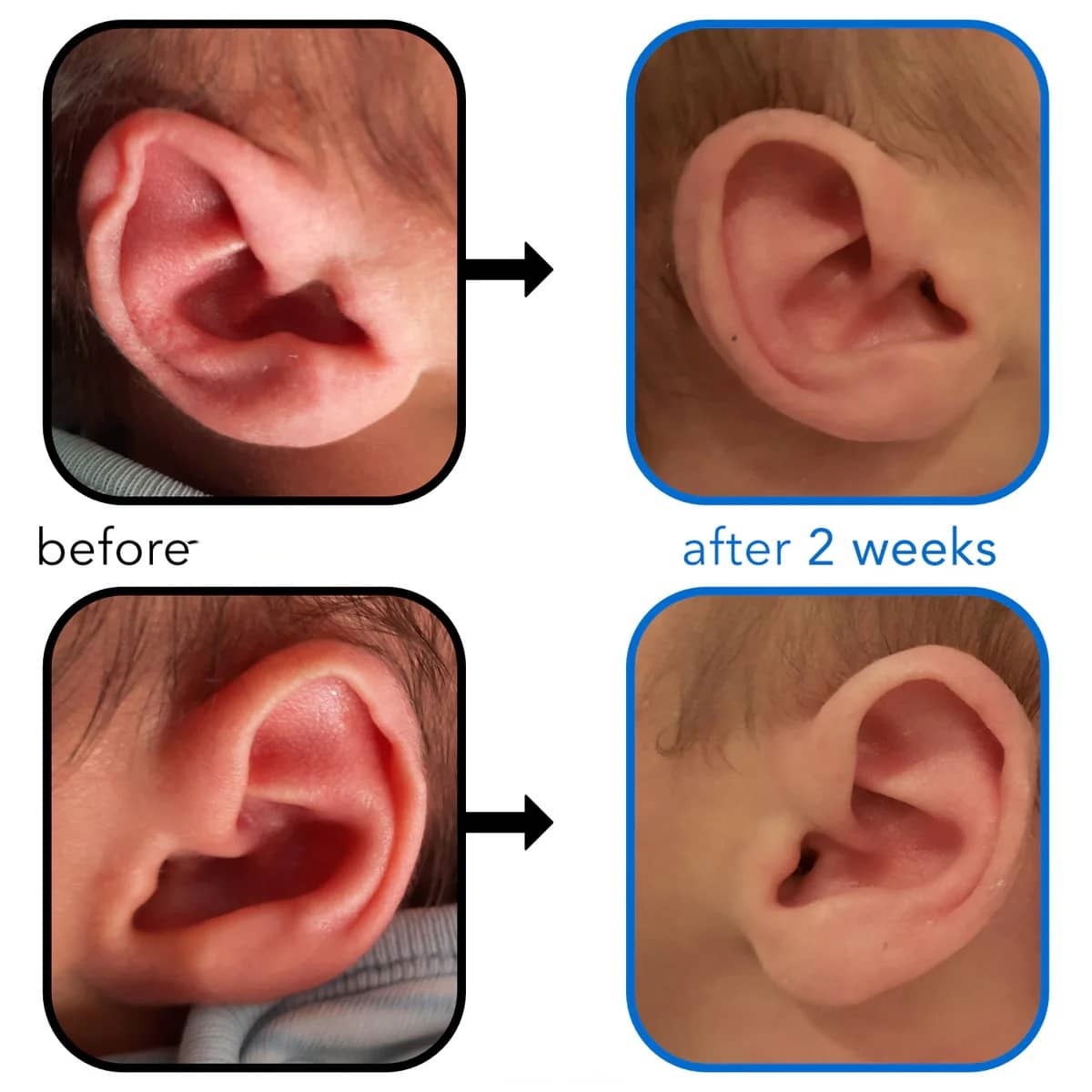
Ear Molding Newborn