


Blog
At What Age Can Ear Molding Be Started? | Ear Molding Newborn Guide

At what age can ear molding be started?
Many parents of infants with misshapen ears are confused about the proper timing for non‑surgical reshaping. They keep asking: at what age can ear molding be started? Ear Molding Newborn leverages the soft, hormone‑influenced cartilage of young babies, so starting age plays a decisive role in final correction outcomes. While there is a golden window, there are also flexible late‑start ranges and clear cut‑off points every caregiver should understand.
The optimal starting age for Ear Molding Newborn
The highest‑success period for ear molding falls within the first 1‑2 weeks after birth. During this very early phase, residual maternal hormones keep ear cartilage extremely pliable. Gentle continuous pressure from silicone molds can guide cartilage into natural ear contours in a relatively short treatment cycle. Many folded ear deformities can achieve near‑perfect correction when intervention happens right after delivery.
Why is the first few weeks after birth the best starting point?
Newborn cartilage contains high hyaluronic acid levels brought by maternal hormones. This makes ear tissue soft and easy to remodel. If you begin Ear Molding Newborn during this period, you need shorter daily wear time and fewer total weeks of treatment. As those hormones fade week by week, cartilage gradually loses its flexibility, making correction harder and slower.
Acceptable late‑start age range for infant ear molding
It is not too late if you miss the first two weeks. Babies up to roughly 8 weeks old can still benefit from Ear Molding Newborn. Though cartilage is starting to stiffen, it still responds to steady pressure. Parents in this bracket should set realistic expectations: treatment cycles will become longer compared to newborns under two weeks old, and full correction cannot be guaranteed for every baby.
Can you begin Ear Molding Newborn for babies 4‑8 weeks old?
Yes, it is still feasible. Many infants in 4‑8‑week age group gain obvious improvements for folded‑cartilage ear issues such as protruding ears, lop ears, cup ears and cryptotia. However, you should avoid further delay. Each additional week reduces cartilage malleability and lowers the chance of permanent reshaping effects.
Age limits: when ear molding will no longer work
Most babies reach a major turning point around 3 months of age. By this time, maternal hormones have mostly disappeared, and ear cartilage becomes firm and rigid. Non‑surgical ear molding can hardly create lasting structural changes beyond this milestone. Temporary cosmetic positioning may be possible, but results will disappear once you remove the molds.
What happens if you start ear molding after 3 months old?
After three months, Ear Molding Newborn will rarely produce permanent reshaping. You may observe minor temporary changes while the device is worn, yet the ear will bounce back to its original shape once molding stops. In this case, non‑surgical intervention is no longer a reliable solution, and you should consult a specialist about surgical options for later childhood.
Other factors besides age that affect molding success
Age is critical but not the only factor. The type of ear deformity, individual cartilage softness, consistent daily wear of molding devices, and proper installation all influence correction results. Even within the ideal age window, severe ear malformations with missing tissue cannot be fixed by ear molding.
Does every baby of the same age get the same molding results?
No. Biological differences exist among individual infants. Some babies still retain soft cartilage at 7‑8 weeks, while others develop stiffer cartilage as early as 6 weeks. Deformity categories also create gaps in outcomes. For these reasons, professional medical assessment is always recommended before starting Ear Molding Newborn, regardless of your baby’s exact age.
Practical takeaways for parents planning ear molding
To summarize, Ear Molding Newborn delivers best results when started within the first 1‑2 weeks after birth. Acceptable late‑start window extends to approximately 8 weeks, while 3 months old marks the practical age limit for non‑surgical reshaping. If you notice unusual ear shapes on your baby, seek expert evaluation as early as possible, instead of waiting to see whether ears will self‑correct over time.
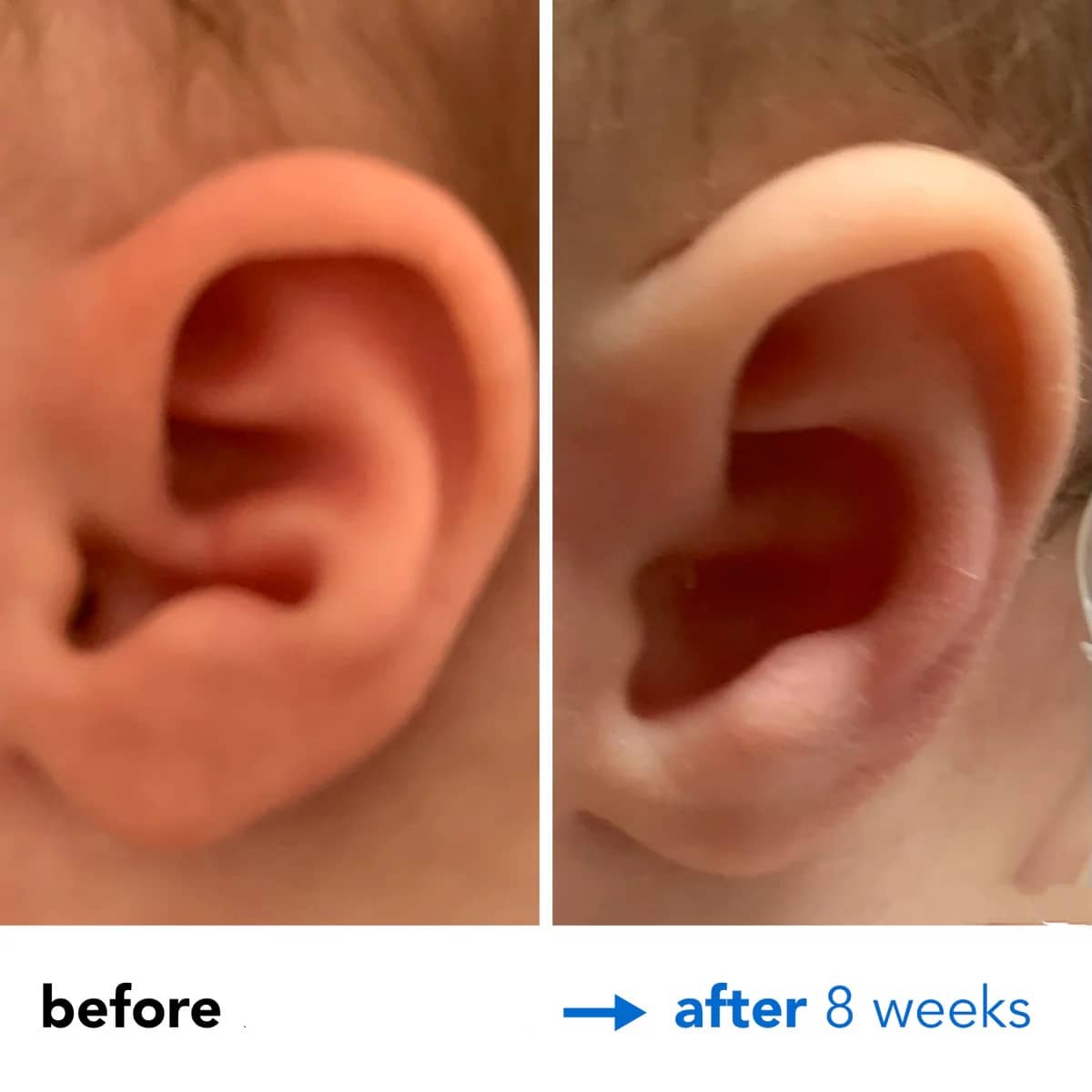
Ear Molding Newborn