


Blog
Is It Possible To Reshape Baby Ears?

Is it possible to reshape baby ears?
Many new parents worry when they spot irregular ear shapes on their newborn. They often wonder whether it is possible to reshape baby ears without painful surgical procedures. The short answer is yes, but positive outcomes depend heavily on your baby’s age, cartilage condition, and proper application of tools like the Baby Ear Corrector. Not all unusual ear appearances will self‑correct as children grow older, so understanding how infant ear molding works helps caregivers make wise decisions for their little ones.
How infant ear cartilage enables non‑surgical reshaping
Newborn ear tissue has unique biological properties that older children and adults do not possess. After birth, residual maternal hormones keep ear cartilage soft and pliable. With consistent mild pressure, this flexible tissue can gradually remodel into natural, balanced contours. As hormone levels fade over months, cartilage stiffens and locks into its permanent shape.
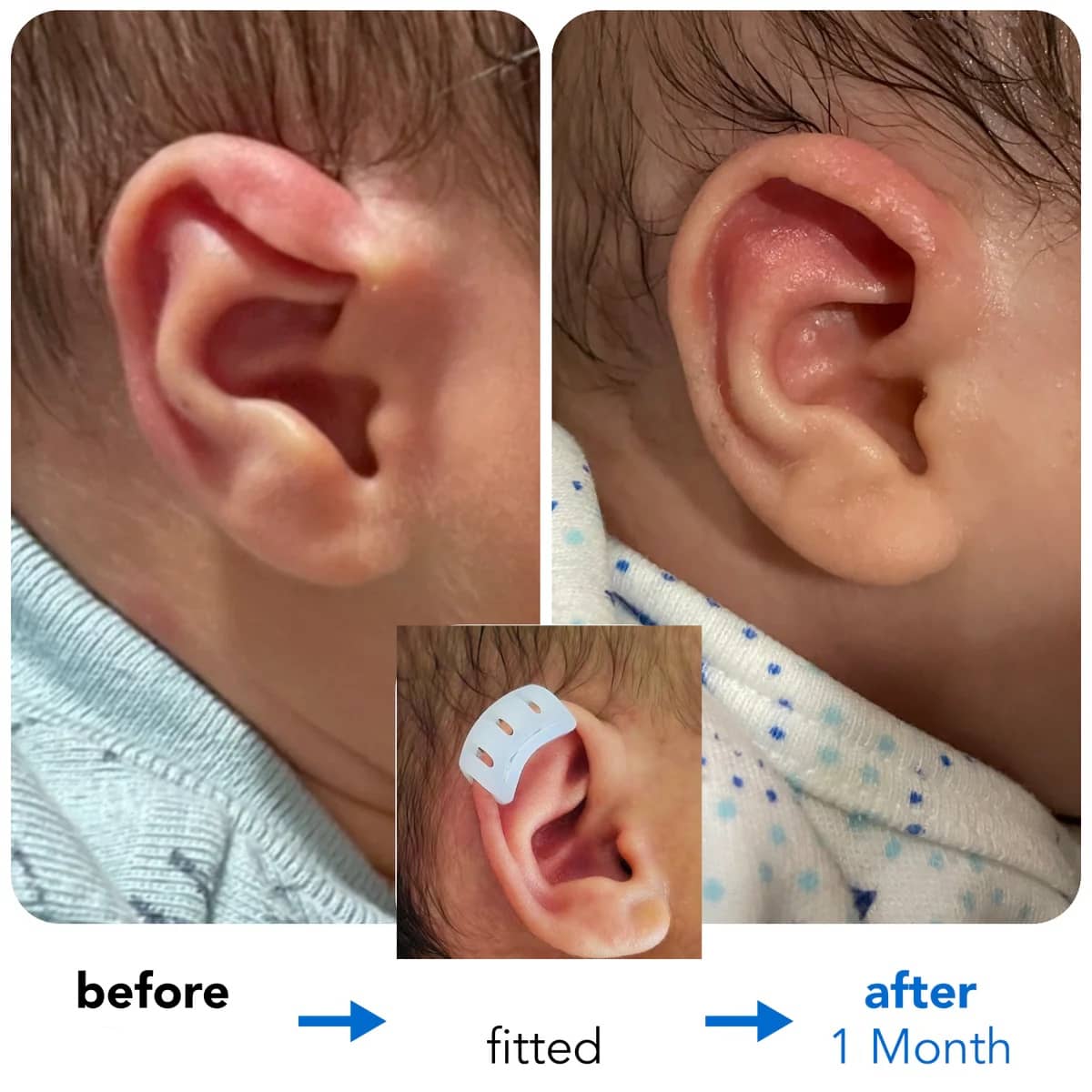
Baby Ear Corrector
Why are newborn ears so flexible?
Newborn cartilage contains high concentrations of hyaluronic acid, giving the tissue soft and bendable qualities. Unlike rigid mature cartilage, it can respond to gentle sustained force and reshape itself. This special physical state creates a narrow biological window for non‑invasive ear adjustment before tissue hardens completely.
How does the Baby Ear Corrector work for ear reshaping
The Baby Ear Corrector is a skin‑friendly silicone‑based molding solution designed for infants. Paired with soft medical adhesive tape, it holds the ear in a desired position for long‑duration wear. Rather than cutting or modifying tissue, this device guides cartilage to grow into healthier shapes as it hardens. This non‑surgical method avoids anesthesia, incisions and scarring associated with later cosmetic ear surgery.
What ear deformities can a Baby Ear Corrector improve?
It delivers the best results for congenital folding‑type ear deformities where full ear tissue already exists. This includes protruding stick‑out ears, lop ears with folded upper rims, cryptotia also known as hidden ear, cup‑shaped ears, Stahl’s ear, and conchal crus irregularities. All these issues stem from bent or folded cartilage structures instead of missing ear tissue.
Critical timing for successful baby ear reshaping
Even high‑quality correction tools cannot produce ideal results once cartilage loses flexibility. Many parents make the mistake of waiting and hoping ears will fix themselves naturally, which often causes them to miss the best opportunity for non‑surgical reshaping.
When should you start using a baby ear reshaping device?
The highest‑success phase falls within the first six weeks after birth. Noticeable improvements may still be achieved up to three months of age. After six months old, ear cartilage has mostly hardened, and non‑surgical molding can hardly create permanent changes to ear appearance.
Practical safety notes for caregivers
Parents must keep realistic expectations and prioritize skin safety while using a Baby Ear Corrector. Check your baby’s ear skin frequently for redness, rashes or irritation caused by silicone or adhesive materials. Stop use right away if skin discomfort appears. Always consult pediatric or ear specialists before you begin home‑use ear molding.
What limitations should you know about baby ear correction?
A Baby Ear Corrector cannot fix severe ear malformations such as microtia, where parts of the ear structure are absent. Such complex cases require formal clinical medical treatment instead of cosmetic molding aids. Individual results vary from baby to baby, and perfect correction cannot be guaranteed for every case.
Closing thoughts for parents
Reshaping baby ears is biologically achievable within the early months of life, thanks to soft neonatal cartilage and practical tools such as the Baby Ear Corrector. Non‑surgical ear molding offers a gentle alternative to future cosmetic surgery. Nevertheless, proper timing, professional medical advice, and careful daily skin monitoring are all key factors influencing final outcomes. If you notice abnormal ear shapes on your newborn, seek expert assessment early to explore all available options.