


Blog
How Do Ear Corrector Clips Work? | Ear Corrector Clip Guide

How do ear corrector clips work?
Many parents encounter the term ear corrector clip while researching non‑surgical infant ear reshaping. They want to understand exactly how these small accessories can change a baby’s ear shape without surgery. An ear corrector clip does not reshape ears by brute force. It leverages the special soft state of newborn cartilage to achieve gradual, permanent contour adjustment. To get reliable outcomes, parents need to understand its mechanism, workflow and realistic limits.
Core working principle behind an ear corrector clip
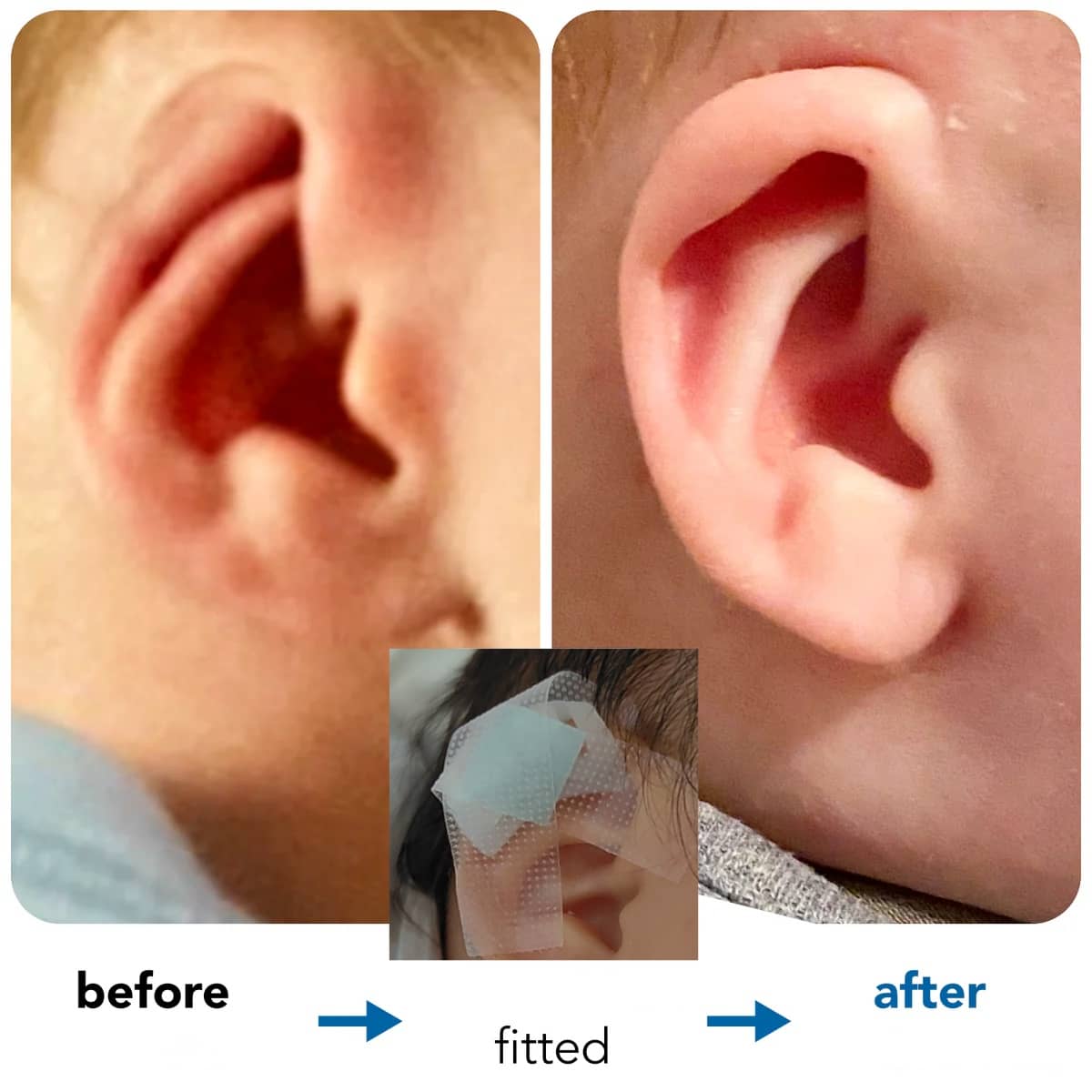
The ear corrector clip acts as soft external scaffolding for the outer ear. Made of flexible silicone material, it holds deformed ear sections in a natural anatomical position. It applies mild, steady pressure rather than squeezing. As the infant grows and cartilage gradually hardens, the ear locks into the corrected shape, completing non‑surgical reshaping without incisions or anesthesia.
What physical property of newborn cartilage makes the clip effective?
Newborn ear cartilage contains high hyaluronic acid driven by residual maternal hormones right after birth. This biochemical condition keeps cartilage pliable and responsive to continuous gentle pressure. The ear corrector clip guides tissue growth while cartilage remains soft. Once hormones fade and cartilage stiffens, clips can no longer create permanent structural changes.
Step‑by‑step application process of ear corrector clip
Before attaching the ear corrector clip, caregivers must clean and fully dry the baby’s ear skin. The clip is placed onto the bent or folded cartilage part to restore natural ear folds. Then supporting accessories are used to keep the clip from shifting. The device stays on for most hours each day during the whole treatment cycle. Regular skin inspection is required throughout use.
Why do ear corrector clips need adhesive tape as supporting parts?
An ear corrector clip alone cannot stay stably positioned on wiggling newborns. Hypoallergenic adhesive tape secures the clip and prevents slipping or rubbing against skin. Tape helps maintain consistent pressure on target cartilage areas. Some tapes can also be trimmed to match different ear sizes for better fitting performance.
What ear deformities ear corrector clip can reshape
The ear corrector clip works best for cartilage‑fold deformations where all ear tissue is already formed. Typical applicable cases include lop ears, protruding ears, cryptotia, cup‑shaped ears and Stahl’s ear. These deformations originate from abnormal folding in the womb instead of tissue loss.
Can ear corrector clip fix ears with missing cartilage tissue?
No. An ear corrector clip can only remodel existing bent cartilage. It cannot generate missing ear tissue. Severe malformations such as microtia with under‑developed ear structure will not improve with clips. These complex conditions need evaluation from pediatric plastic specialists for proper medical solutions.
Time requirement for getting results with ear corrector clip
Reshaping via ear corrector clip is a gradual biological process. Most infants need multiple consecutive weeks of consistent wear. Starting within the golden neonatal window brings faster progress. If parents begin correction at a later age, the required treatment period will become longer and success rates drop.
Will ear corrector clip deliver instant reshaping effects?
No. You may see temporary position change right after putting on the clip, but this is not permanent correction. Permanent reshaping happens only when cartilage hardens in the new position over weeks of continuous wear. Do not remove the clip too early simply because the ear looks better temporarily.
Important notes for using ear corrector clip
Even well‑made ear corrector clip carries potential skin‑irritation risks for sensitive newborn skin. Parents need to check ear skin every day for redness or pressure marks. It is strongly recommended to seek professional medical assessment before starting home‑based molding, to confirm whether the baby is a suitable candidate for this device.
ear corrector clip