


Blog
Do Ear Correctors Really Work? | Baby Ear Corrector Truth

Do ear correctors really work?
Countless new parents come across non‑surgical reshaping products online and keep asking: do ear correctors really work for misshapen infant ears? The baby ear corrector can produce lasting improvements under specific biological conditions, yet it is not a universal fix for every ear‑shape concern. Its real‑world performance is heavily tied to the baby’s age, deformity category, and proper daily operation. Understanding these facts helps caregivers filter exaggerated marketing claims and set reasonable expectations.
How a baby ear corrector achieves reshaping results
A baby ear corrector usually combines soft silicone splints and gentle hypoallergenic adhesive tapes. Instead of forcibly bending mature tissue, it relies on the special physical state of newborn ear cartilage. It applies light, steady external pressure to hold ears in natural positions over weeks. As infant cartilage gradually hardens, it can lock into the corrected shape if intervention happens early enough.
What biological condition makes a baby ear corrector effective?
Shortly after birth, residual maternal hormones keep baby ear cartilage rich in hyaluronic acid, which makes the tissue soft and pliable. This unique state allows cartilage to remodel under mild continuous pressure. Once hormone levels fade away month by month, cartilage becomes stiff, and external devices can no longer bring permanent structural changes.
Cases where baby ear corrector delivers good outcomes
Positive results mostly appear for cartilage‑fold deformations, where the full ear tissue is already fully formed. These problems originate from pressure inside the womb rather than under‑developed tissue. When used within the optimal age range, many infants can gain natural ear contours without surgery, anesthesia or visible scars.
Which infant ear issues can benefit from a baby ear corrector?
A baby ear corrector works best for protruding ears, lop ears with folded upper helix, cryptotia also known as hidden ear, cup‑shaped ears, Stahl’s ear and conchal crus irregularities. All these conditions feature bent or creased cartilage, instead of missing ear tissue. Severe tissue‑loss malformations cannot be improved by this kind of cosmetic molding tool.
Critical factors that influence correction success rate
Even with high‑quality equipment, two elements cannot be ignored: starting age and consistent correct wearing. The highest‑success period falls within the first several weeks after birth. Irregular fitting, loose tapes or stopping treatment halfway will greatly reduce the possibility of permanent reshaping, no matter how good the baby ear corrector product is.
Will a baby ear corrector work if you miss the golden treatment window?
Limited partial improvement may still be possible for babies up to 3 months old, yet success rates drop significantly. Once infants pass six months of age, ear cartilage has mostly solidified. At this point, a baby ear corrector can only create temporary positioning effects, and ears will bounce back to their original shape after removing the molds.
Common misconceptions and safety warnings
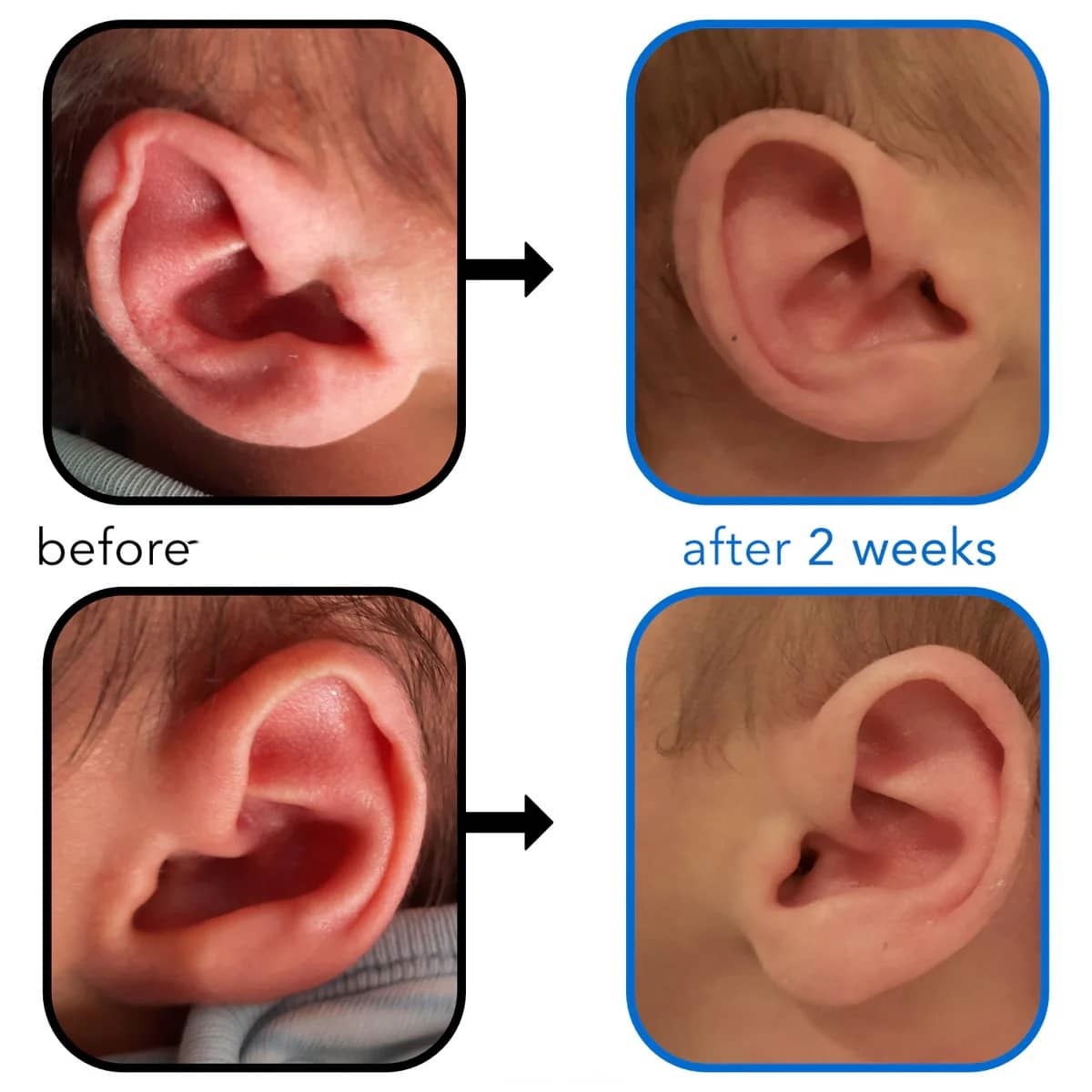
Many product advertisements show ideal before‑after photos, but parents should be aware of potential risks. Sensitive newborn skin may develop redness, rashes or pressure irritation from silicone and adhesive materials. It is not recommended to start home molding without professional assessment from pediatric or ear specialists.
Can parents expect perfect correction every single time?
No. Individual biological differences exist among babies. Some infants may only achieve partial improvement rather than 100% ideal ear shape. Results cannot be fully guaranteed for every case. Over‑expectation driven by marketing content may lead to disappointment if the deformity or age is not suitable for molding intervention.
Final verdict on baby ear corrector performance
To conclude, ear correctors do work for qualified newborn babies. A baby ear corrector offers a valuable non‑surgical option for cartilage‑fold ear deformities within the early neonatal golden window. However, it has clear limits on age and applicable ear conditions. Always seek expert medical advice before purchase and use, rather than trusting promotional descriptions alone.
baby ear corrector