


Blog
At What Age Can Ear Deformities Be Corrected? | Ear Fix Ear Corrector Guide

At what age can ear deformities be corrected?
Parents of babies with misshapen ears often wonder at what age can ear deformities be corrected. Correction approaches vary greatly depending on how old the child is. Non‑invasive reshaping with an ear fix ear corrector is only effective during the early infant period. Once cartilage hardens, surgical methods become the main solution. Distinguishing age‑related boundaries helps families avoid missing the best chance for non‑surgical intervention.
Non‑surgical correction age window with ear fix ear corrector
The highest‑success window for non‑surgical correction falls within 72 hours to 6 weeks after birth. During this period, residual maternal hormones keep ear cartilage soft and pliable. An ear fix ear corrector applies mild steady pressure to remodel folded cartilage. Starting treatment in this window delivers high success rates, shorter treatment cycles and natural permanent ear contours for folding‑type ear deformities.
Why does newborn age decide the outcome of ear fix ear corrector treatment?
Newborn cartilage contains high hyaluronic acid supported by maternal hormones. This biochemical state makes tissue responsive to gentle continuous pressure. As hormones gradually leave the infant’s body week by week, cartilage loses flexibility. If you start an ear fix ear corrector too late, cartilage can no longer remodel to hold the corrected shape permanently.
Acceptable late‑start age range for non‑surgical ear correction
Even if you miss the 6‑week optimal window, limited improvement may still be possible up to three months of age. Yet parents must lower expectations. Treatment cycles will grow longer, and full correction cannot be guaranteed for every infant. Individual cartilage softness differs from baby to baby, so professional assessment is strongly advised before trying any molding tools.
Is there still value trying ear fix ear corrector for 8‑12‑week‑old babies?
Some 8‑12‑week‑old infants still retain partial cartilage flexibility and can achieve partial improvement with an ear fix ear corrector. However, results become far less predictable. If medical examination already shows stiff cartilage, home molding will likely waste time without bringing meaningful reshaping effects.
When non‑surgical ear correction is no longer feasible
After three months old, most babies’ ear cartilage has fully hardened. At this stage, external molding devices including an ear fix ear corrector can only create temporary positional changes. Once you remove the corrector, ears will revert back to their original deformed shape. Non‑surgical reshaping no longer produces permanent structural changes.
What treatment options exist after infant ear cartilage hardens?
When non‑surgical molding fails due to age, surgical otoplasty is the primary permanent solution. Doctors usually suggest waiting until children reach an appropriate older age for surgery. Parents should consult pediatric plastic specialists to understand operation risks, recovery and suitable timing for their child’s condition.
Difference between deformations and malformations for age‑based correction
Age rules apply mainly to cartilage‑fold deformations such as protruding ears, lop ears and cryptotia, where all ear tissue is fully formed. Severe ear malformations involve missing or under‑developed ear tissue, and these follow completely different treatment paths regardless of infant age.
Does severe ear malformation follow the same age rules for ear fix ear corrector?
No. An ear fix ear corrector only remodels existing bent cartilage and cannot generate missing ear tissue. Serious malformations such as microtia cannot be solved by non‑surgical molding at any infant age. These cases need specialist reconstructive evaluation instead of home‑use corrector products.
Practical guidance for parents timing ear deformity correction
If you spot unusual ear shapes on your newborn, avoid adopting a “wait‑and‑see” attitude. Seek pediatric or ENT assessment as early as possible. Even if your baby is past the optimal 6‑week mark, get expert advice to judge whether an ear fix ear corrector is still a reasonable choice for your unique situation.
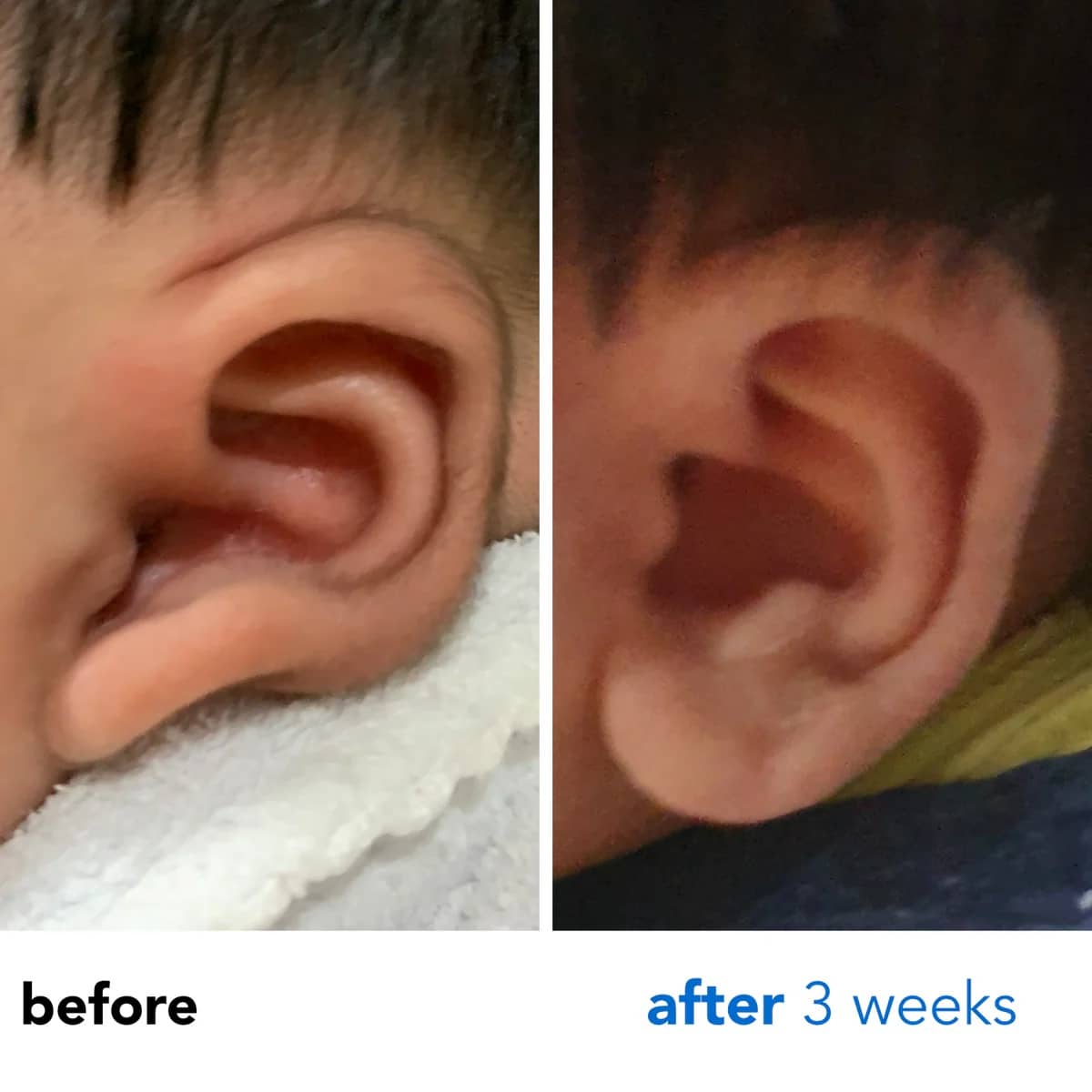
ear fix ear corrector