


Blog
Are There Non‑Surgical Ear Correction Options? | Ear Correction Without Surgery

Are there non‑surgical ear correction options?
Many parents of babies with misshapen ears feel worried about the prospect of cosmetic surgery for their little ones. They want to know whether safer, incision‑free alternatives exist. The answer is yes, and Ear Correction Without Surgery has become a well‑known choice for suitable newborn infants. These non‑invasive solutions avoid scalpels, anesthesia and surgical scars, but they only work under specific conditions and are not appropriate for every ear‑shape concern.
Available non‑surgical solutions for infant ear deformities
Non‑surgical ear correction relies on the natural pliability of neonatal ear cartilage. Instead of surgical cutting, external molding accessories apply light and steady force to guide cartilage growth. This whole approach takes advantage of residual maternal hormones that keep baby ear tissue soft shortly after birth. Multiple types of cosmetic molding kits are on the market for Ear Correction Without Surgery.
What tools are used for Ear Correction Without Surgery?
Most systems consist of soft hypo‑allergenic silicone splints, cradles or flexible stickers, paired with gentle medical‑grade adhesive tapes. These components hold ears in desired anatomical positions for long‑duration daily wear. Different accessories are designed to match distinct deformity types. They only act on the outer ear and will not interfere with hearing functions when fitted properly.
Who qualifies for non‑surgical ear correction treatment
Qualification mainly depends on two key factors: your baby’s age and the category of ear deformity. The ideal candidates are young infants whose ear cartilage still remains bendable. The deformity should be caused by folded or creased cartilage rather than missing ear tissue. Babies who meet these standards can gain great benefit from Ear Correction Without Surgery.
What ear deformities can non‑surgical approaches improve?
Non‑surgical options perform best for congenital folded‑cartilage issues. This includes protruding ears, lop ears with folded upper rims, cryptotia or hidden ear, cup‑shaped ears, Stahl’s ear, and conchal crus deformity. All these conditions form during fetal development when cartilage bends abnormally, while the full ear structure is already present.
Limitations of Ear Correction Without Surgery
Non‑surgical ear correction is powerful for eligible newborns, yet it carries clear boundaries. Age plays a huge role; as months pass, cartilage gradually hardens and loses remodeling capacity. Besides, some severe ear structural problems cannot be improved by external molding no matter how early you start treatment.
When will non‑surgical ear correction not deliver results?
Ear Correction Without Surgery cannot fix severe malformations such as microtia, where parts of ear tissue are absent. Once babies reach three months old, cartilage becomes mostly rigid, and permanent reshaping via external molding becomes very unlikely. Ear damage caused by injury after birth also cannot be solved by these cosmetic‑only tools.
Best practices when choosing non‑surgical ear correction
Even if your baby seems to fit the criteria, parents should follow important safety principles. Keep the baby’s ear skin clean and dry while using silicone accessories. Check frequently for signs of skin redness, rashes or pressure marks. Stop using the devices immediately once skin irritation appears. Never place tapes or splints over broken or inflamed skin.
Do I still need a doctor’s opinion before trying non‑surgical options?
Yes. Although many non‑surgical molding kits are sold as cosmetic aids, you should get assessment from pediatric or ear specialists first. Medical professionals can tell whether the ear issue may self‑resolve naturally, confirm if Ear Correction Without Surgery is suitable, and rule out underlying ear health problems before you begin home‑based molding.
Closing summary for non‑surgical ear correction choices
There are real non‑surgical ear correction options for qualified newborn babies. Ear Correction Without Surgery offers a pain‑free, scar‑free alternative to later cosmetic surgery. However, it works best within the early neonatal window and only for cartilage‑folding deformities. Always combine product research with professional medical advice to make safe and reasonable decisions for your infant.
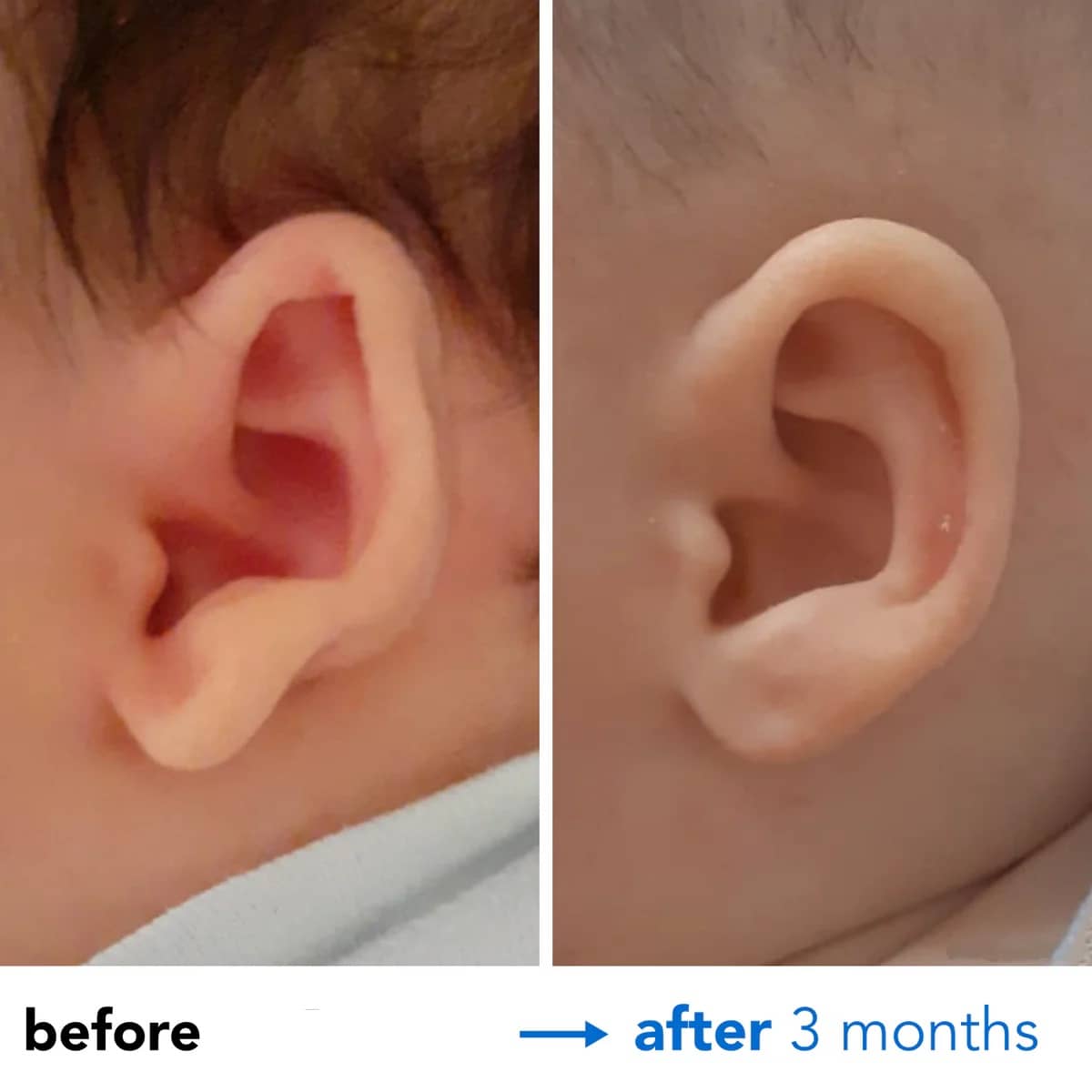
Ear Correction Without Surgery