

Blog
What Are The Risks Of Ear Reshaping? | Baby Ear Correctors Safety Guide

What are the risks of ear reshaping?
Non‑surgical infant ear reshaping with baby ear correctors offers a scar‑free alternative to cosmetic surgery. Even so, this cosmetic intervention is not entirely risk‑free. Most adverse events stem from improper use rather than product defects. Parents need to understand potential risks, recognize warning signals, and take preventive steps to protect their babies during ear‑reshaping treatment.
Common minor risks when using baby ear correctors
Newborn skin is extremely delicate and thin. Even well‑made baby ear correctors may trigger mild temporary discomfort. Most side‑effects are superficial skin problems and disappear quickly once you remove the device. Severe permanent harm is rare under proper supervision, but caregivers still need daily observation.
What are the most frequent skin‑related risks of baby ear correctors?
The most common issues include local red pressure marks, contact rashes, and mild skin irritation from adhesive residue. In some cases, prolonged friction can create tiny skin abrasions. These symptoms occur because infant skin reacts to silicone or adhesive tape. Such minor reactions usually heal within a short period after stopping usage.
Hidden risks caused by improper operation
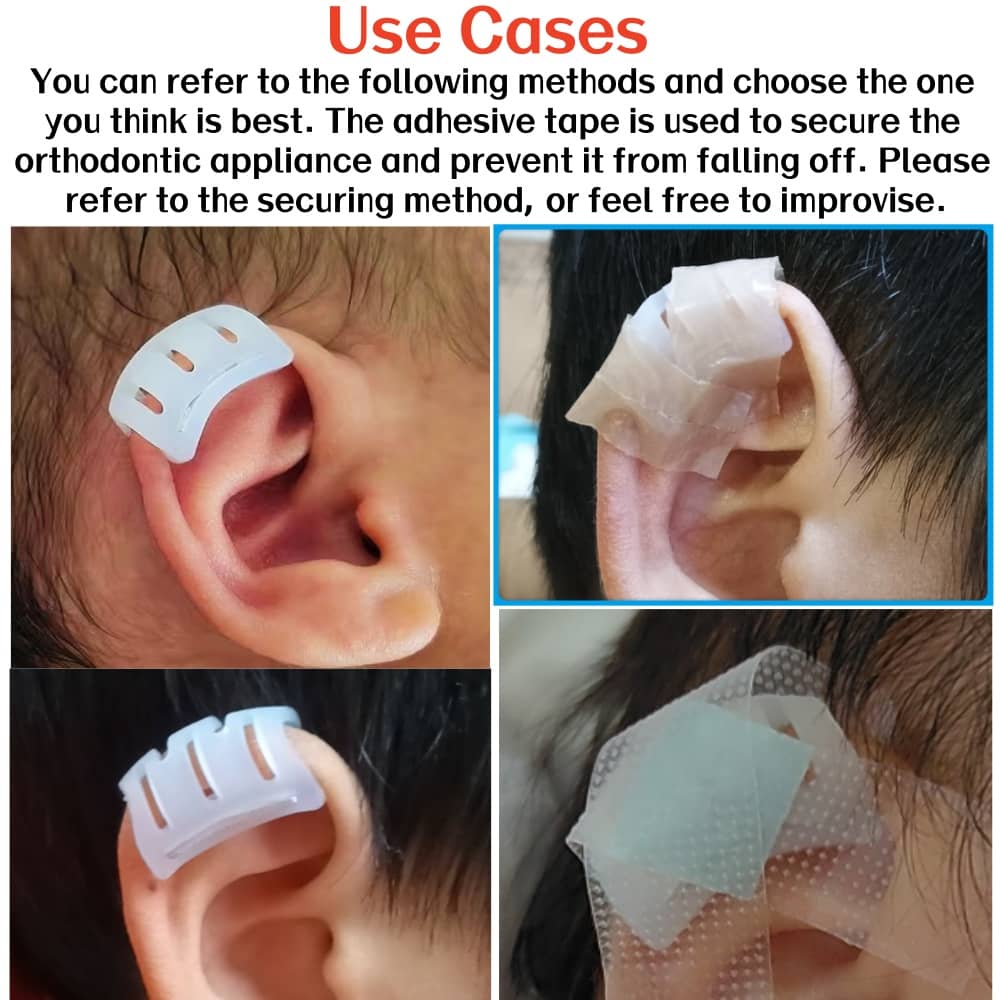
Many safety concerns arise from incorrect DIY fitting. If parents apply baby ear correctors without learning proper positioning skills, multiple hidden dangers may appear. Over‑tight placement creates concentrated pressure points. Loose fitting makes accessories shift and rub against surrounding skin repeatedly. Small loose parts also bring potential choking hazards for wiggling infants.
Can wrong installation of baby ear correctors cause lasting damage?
Generally, short‑term wrong fitting only brings reversible skin irritation. However, long‑term uneven heavy pressure may distort cartilage growth and lead to new abnormal ear contours. Though permanent serious injury is uncommon, poor installation can ruin correction progress and waste the limited golden time for ear reshaping.
Risks brought by delayed or inappropriate expectations
Another often‑ignored risk is the loss of optimal treatment window. Some parents keep trying baby ear correctors long after cartilage has hardened, expecting unrealistic results. They waste precious weeks that could have been reserved for professional medical consultation, and finally miss all chances for non‑surgical improvement.
What risk comes from relying too much on cosmetic molding products?
Parents may mistake cosmetic baby ear correctors for medical treatment. For complex ear malformations such as microtia, depending solely on molding accessories delays necessary specialist care. It is risky to judge ear deformity types only from product descriptions without doctor assessment.
Circumstances where ear reshaping should be avoided
Baby ear correctors should not be used when the baby’s ear skin already has eczema, scratches, swelling or infection. It is also unsuitable for babies whose cartilage has fully stiffened. In these situations, forcing ear‑reshaping will raise injury possibility without bringing expected shape improvements.
When should you stop using baby ear correctors right away?
Stop use immediately if you notice persistent bright red skin, blisters, oozing wounds, or obvious swelling around the ear. Also discontinue use if your baby shows continuous distress caused by the device. After stopping, seek pediatric advice for skin care and re‑evaluate whether ear molding is still suitable.
How to lower risks during non‑surgical ear reshaping
To minimize risks, get professional pediatric or ENT evaluation before buying baby ear correctors. Check ear and nearby skin every day. Follow official fitting guidance strictly. Never over‑tighten clips or tapes. Keep realistic results expectations, and give up home molding once the golden biological window has passed.
baby ear correctors