


Blog
Is It Possible To Change Ear Shape? | Newborn Ear Corrector Guide

Is it possible to change ear shape?
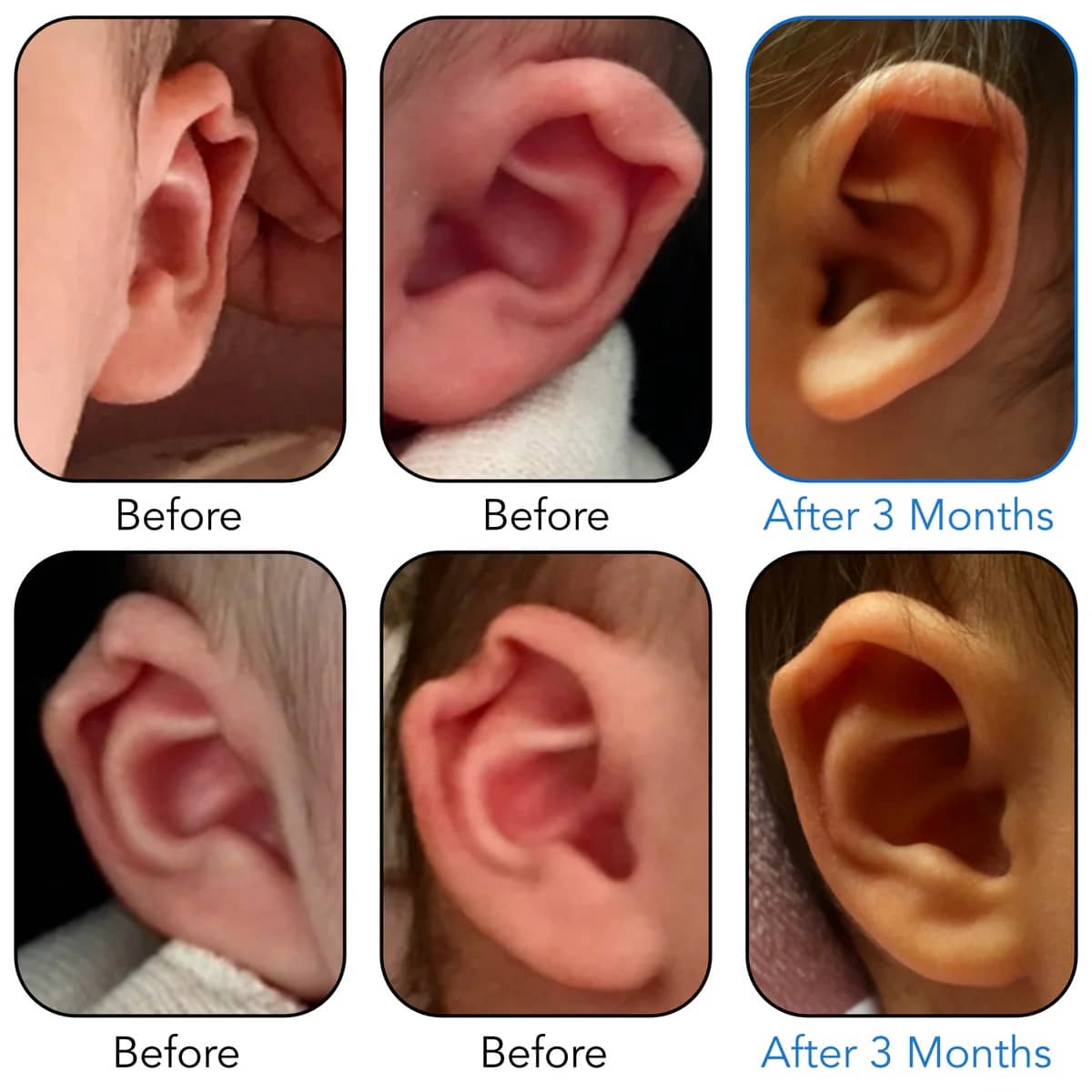
Many parents wonder whether it is possible to change ear shape when they notice irregular auricle contours on their newborns. Ear shape modification is achievable under certain conditions, yet it is not universally feasible for all ages. A Newborn Ear Corrector enables non‑invasive reshaping for very young infants, but human cartilage becomes rigid over time, creating clear biological boundaries for shape adjustment. Understanding these facts helps caregivers build realistic expectations.
Why ear‑shape change works differently for babies and older people
Ear cartilage texture is the core factor that decides whether shape adjustment can succeed. Newborn cartilage stays soft and bendable under the influence of maternal hormones right after birth. Gentle sustained pressure can guide tissue to grow toward new contours. As children grow older, these hormone effects fade, cartilage hardens completely, and the ear locks into its permanent form.
What biological feature allows Newborn Ear Corrector to reshape ears?
Newborn ear cartilage contains high levels of hyaluronic acid, making it flexible and responsive to mild constant pressure. The Newborn Ear Corrector made of skin‑friendly silicone holds ears in desired positions. Instead of forcing immediate deformation, it directs cartilage growth while tissue is still malleable, achieving natural shape changes as the ear gradually solidifies.
Realistic ways to adjust ear shape for infants
For qualified newborns, non‑surgical molding is the primary gentle method to adjust ear shape. A Newborn Ear Corrector pairs silicone splints with soft medical adhesive tape for consistent daily wear. This approach avoids incisions, anesthesia and scars. However, this solution targets folded‑cartilage deformities rather than every kind of ear appearance difference.
What ear abnormalities can a Newborn Ear Corrector improve?
It delivers best results for congenital folding‑type deformities with complete ear tissue. This includes protruding ears, lop ears with folded upper helix, cryptotia (hidden ear), cup‑shaped ears, Stahl’s ear and conchal crus irregularities. These issues arise from bent cartilage during fetal development instead of missing ear tissue.
Hard limits for changing ear shape
Changing ear shape is not always possible. Age is a major restriction. Besides age, severe structural defects where parts of ear tissue are absent cannot be fixed through external molding tools. Temporary cosmetic positioning will not turn into permanent reshaping once cartilage loses pliability.
Can you permanently alter ear shape for older babies or kids?
Once babies pass 3‑6 months old, ear cartilage has mostly stiffened. Even with long‑time use of a Newborn Ear Corrector, you cannot get lasting shape changes. For older children who still have obvious ear‑shape concerns, surgical otoplasty performed at an appropriate age becomes the main viable solution for permanent modification.
Important considerations before attempting ear‑shape adjustment
Safety and professional assessment should always come first. When using a Newborn Ear Corrector, frequently check baby’s ear skin for redness, rashes or pressure‑caused irritation. Stop usage immediately if skin discomfort shows up. Never apply molding accessories on broken, inflamed or eczema‑affected skin.
Should parents rely only on cosmetic products to change ear shape?
No. Although a Newborn Ear Corrector is a practical cosmetic aid, parents must seek evaluation from pediatric or ear specialists first. Some mild ear asymmetries are normal and will resolve naturally. Medical experts can confirm whether reshaping intervention is truly needed, preventing unnecessary home‑use of molding devices.
Final takeaways about changing ear shape
To sum up: it is possible to change ear shape for newborns within the optimal early window with tools like the Newborn Ear Corrector. For older children and adults, non‑surgical external tools cannot produce permanent ear‑shape changes. Always balance your hopes with biological realities and professional medical advice before pursuing any ear‑shape adjustment for your baby.
Newborn Ear Corrector