

Blog
Is There a Way to Correct My Baby’s Ears Without Surgery? | Ear Molding Newborn Guide

Is there a way to correct my baby’s ears without surgery?
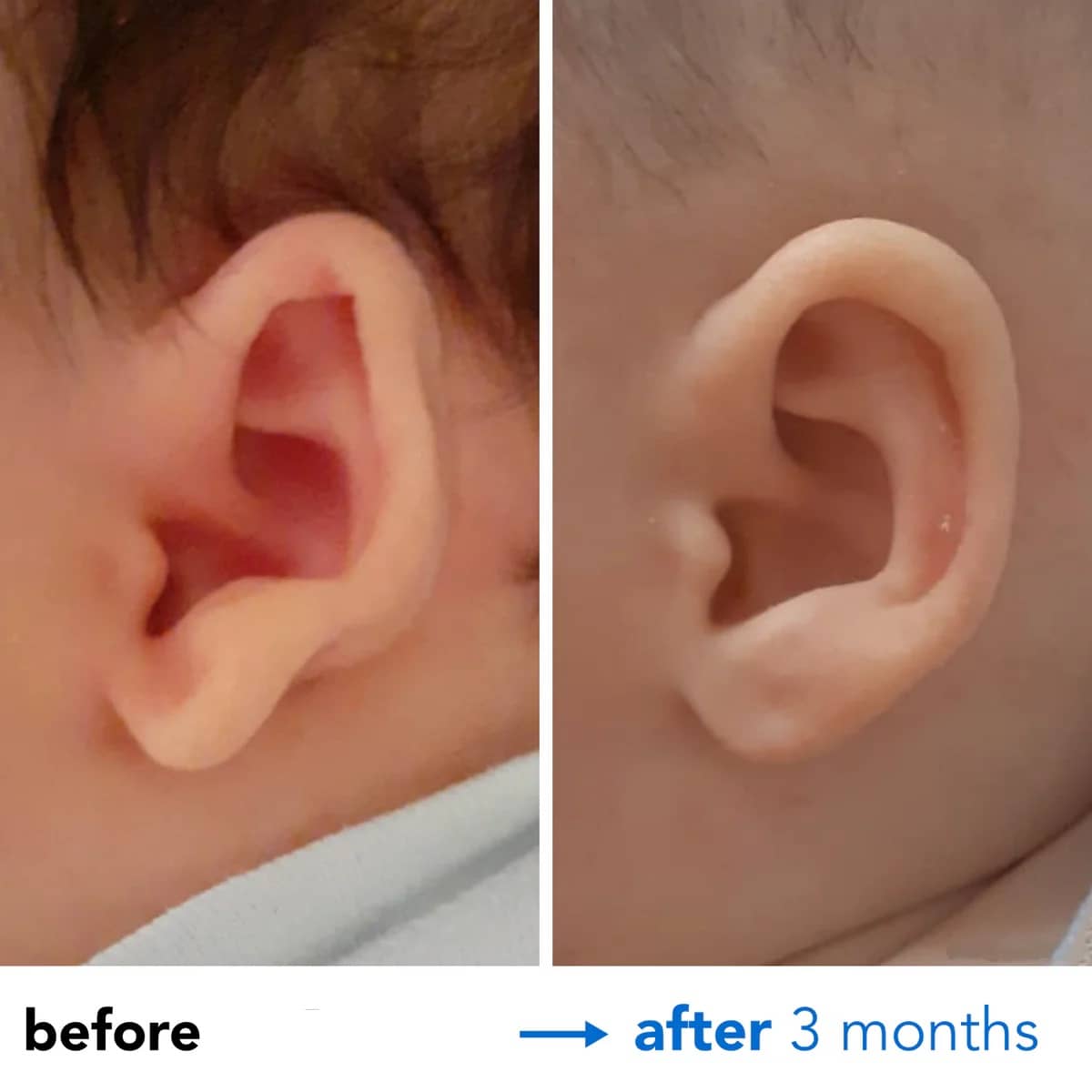
Many parents feel anxious when they notice irregular ear shapes on their newborn infants. They wonder whether surgical procedures are the only option to fix misshapen ears. Fortunately, non‑surgical solutions exist for qualified newborns. Ear Molding Newborn is a gentle, incision‑free approach that makes ear reshaping possible for young babies. Still, this method is not universally effective for every case, and parents need to understand its limits before making any decisions.
Understanding non‑surgical ear correction for newborns
Non‑surgical ear correction takes advantage of the natural soft state of infant ear cartilage. Right after birth, residual maternal hormones keep cartilage flexible and responsive to light sustained pressure. Medical‑grade soft silicone molds and supportive adhesive tapes hold ears in proper positions. Instead of cutting or modifying tissue, this method guides cartilage to grow into natural shapes as it gradually hardens over time.
How does Ear Molding Newborn work to adjust ear shape?
Ear Molding Newborn applies steady, mild pressure on targeted folded or misaligned ear sections. The soft molds stay secured with skin‑friendly tape for long‑hour wear. Over multiple weeks, the pliable cartilage remodels itself under consistent pressure. The whole process is pain‑free for babies, with no anesthesia, incisions, or scarring compared with cosmetic ear surgery for older children.
Which baby ear issues can non‑surgical methods improve
Non‑surgical ear molding delivers the best outcomes for congenital folding‑type ear deformities where full ear tissue is already present. Common treatable conditions include protruding ears, lop ears with folded upper rims, cryptotia also known as hidden ear, cup‑shaped ears, Stahl’s ear, and conchal crus irregularities. These conditions form when ear cartilage folds abnormally during fetal development.
Are there ear deformities that non‑surgical correction cannot handle?
Yes. Non‑surgical Ear Molding Newborn cannot resolve severe structural defects such as microtia, where parts of the ear tissue are missing. These complex malformations require evaluation by pediatric plastic specialists and potential surgical intervention. It also cannot repair ear damage caused by birth injuries or later accidents.
Why timing is critical for non‑surgical baby ear correction
The soft, moldable state of newborn ear cartilage only lasts for a limited period. As maternal hormones fade month by month, cartilage becomes stiff and permanently locks into its existing shape. Many parents make the mistake of waiting and hoping ears will self‑correct, which causes them to miss the best opportunity for surgery‑free reshaping.
How old is too late to try newborn ear molding?
The highest‑success window opens shortly after birth, ideally within the first six weeks. Moderate improvement may still be achieved for babies up to three months old. Once babies reach six months of age or older, ear cartilage has mostly hardened. At this point, Ear Molding Newborn will hardly create permanent changes to ear appearance.
Practical safety guidelines for non‑surgical ear shaping
Parents must prioritize skin safety throughout the whole molding process. Check your baby’s ear skin frequently for redness, rashes, or irritation caused by silicone molds or adhesive tapes. Stop use right away once skin discomfort appears. It is strongly recommended to consult pediatric medical experts before starting any home‑based ear‑molding treatment.
What risks should parents watch out for with ear molding?
The main risks are skin irritation, pressure marks, or tape‑caused dermatitis on sensitive infant skin. Improper installation of molds can also lead to uneven pressure and unsatisfactory shaping results. While serious complications are rare with correct operation, do not use molding devices without professional guidance.
Closing thoughts on surgery‑free baby ear correction
To answer the original question: yes, you can correct your baby’s ears without surgery under suitable conditions. Ear Molding Newborn offers a gentle non‑invasive alternative to later cosmetic otoplasty. However, success depends heavily on your baby’s age, deformity type, correct device application, and professional medical advice. If you spot unusual ear shapes on your newborn, seek early expert assessment to explore your available treatment options.