


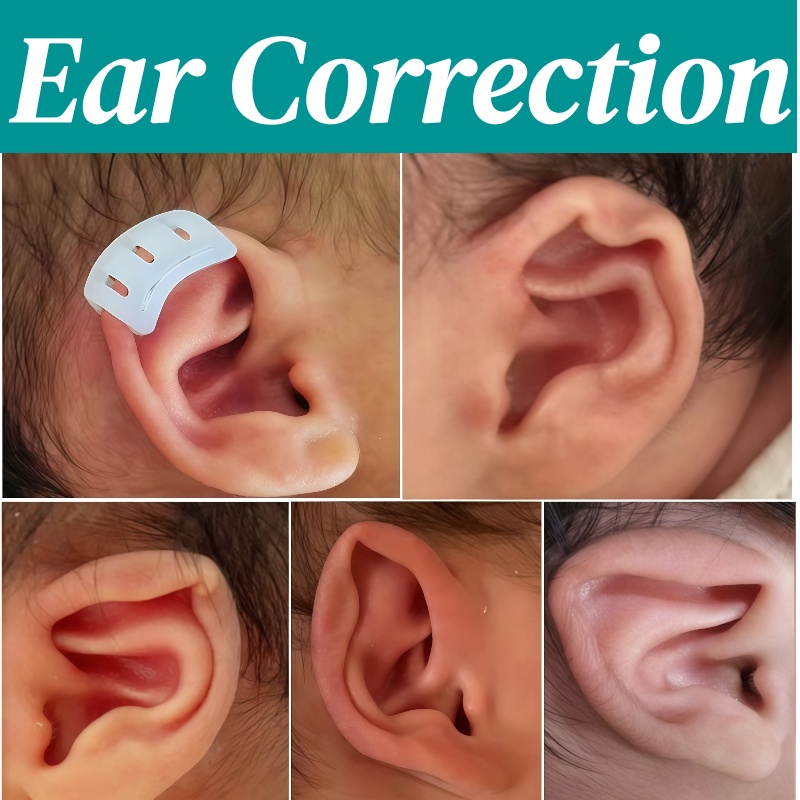
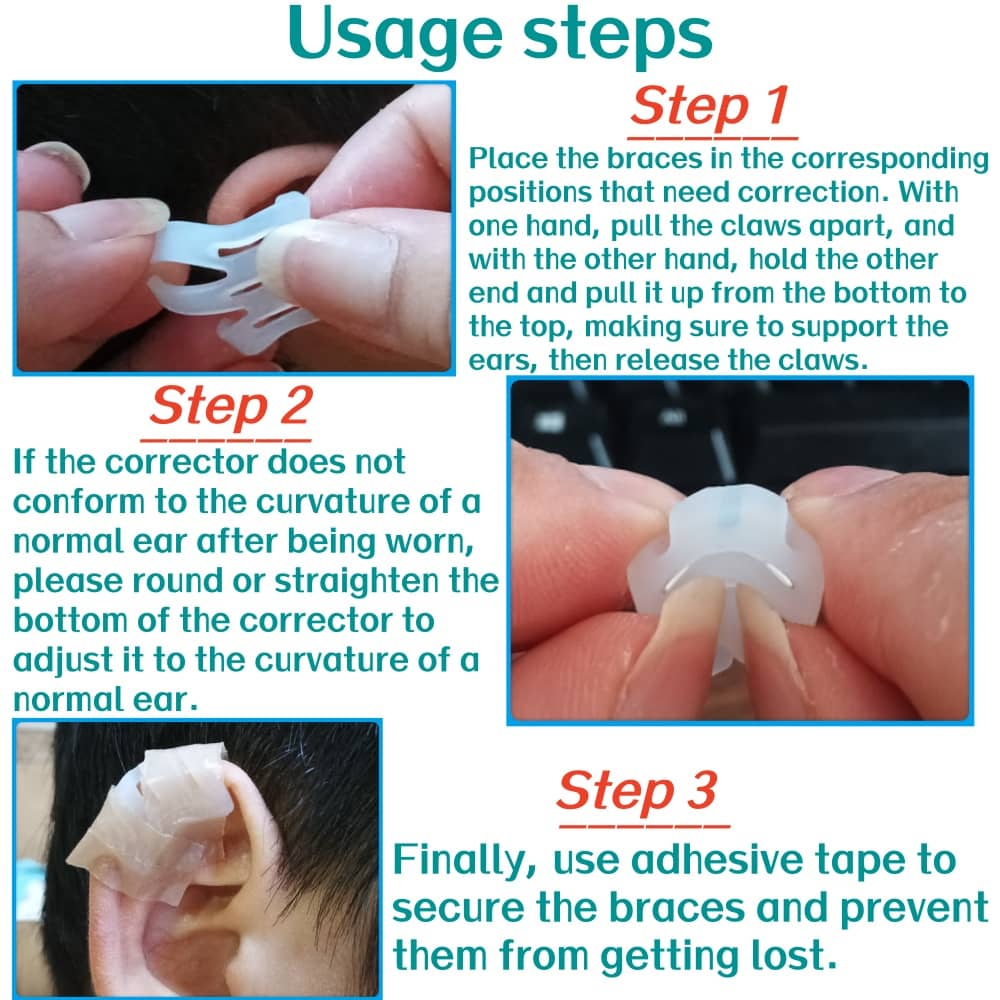
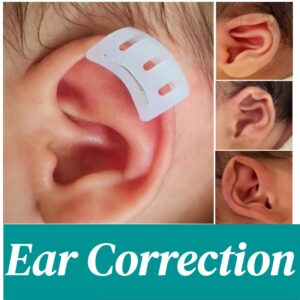
Baby Ear Corrector Mold
Original price was: $188.00.$88.00Current price is: $88.00.
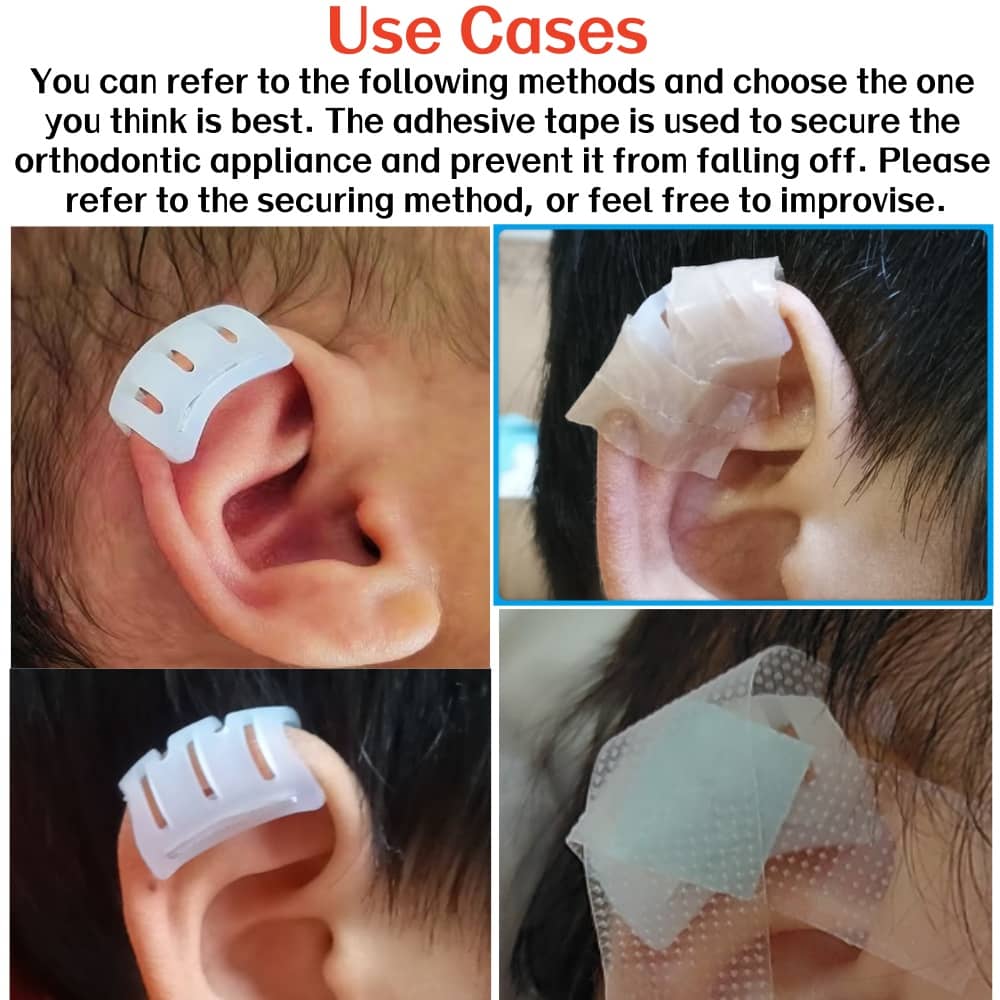
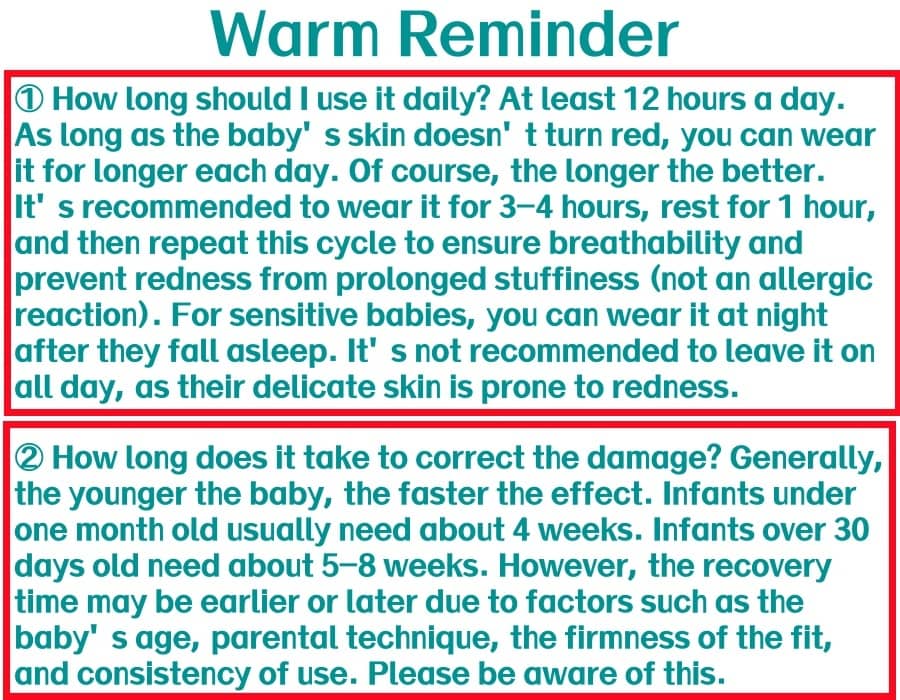
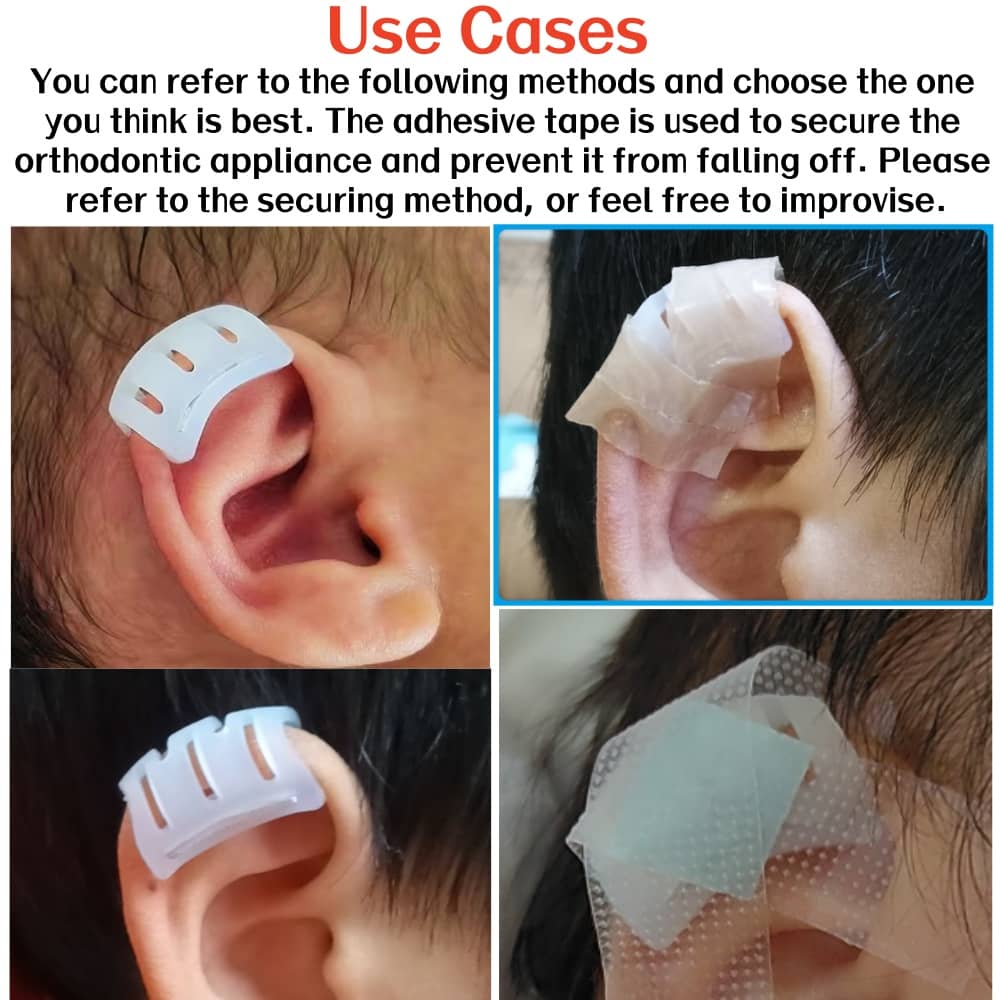
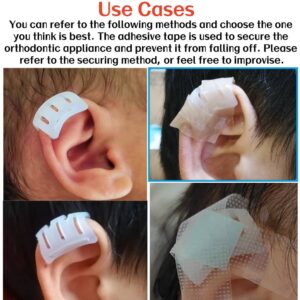
1. 【No Discomfort】: Ear corrector are made of soft silicone material that is low in allergy, breathable, and skin-friendly.
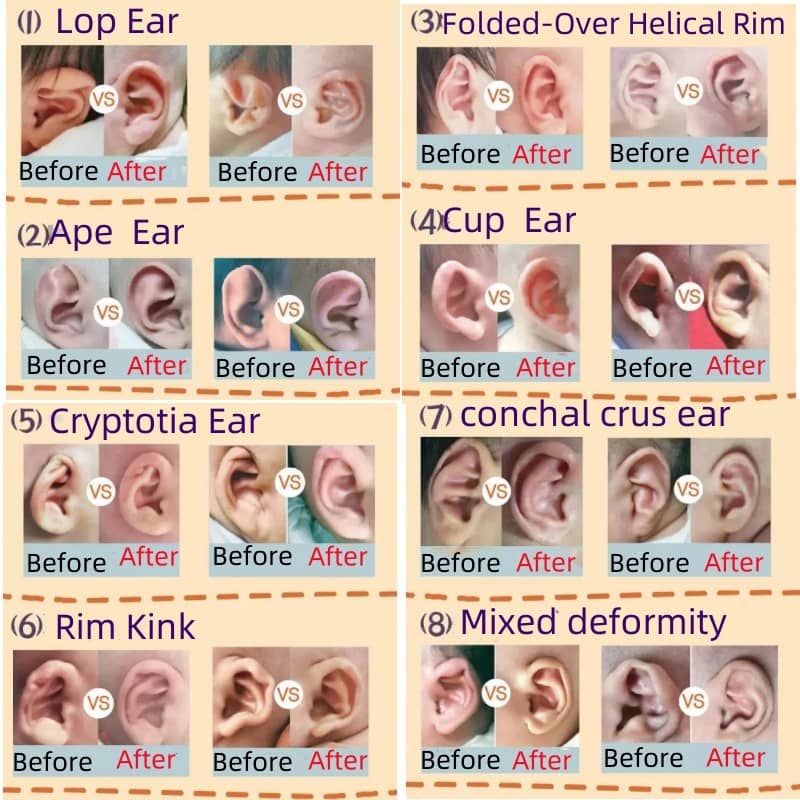
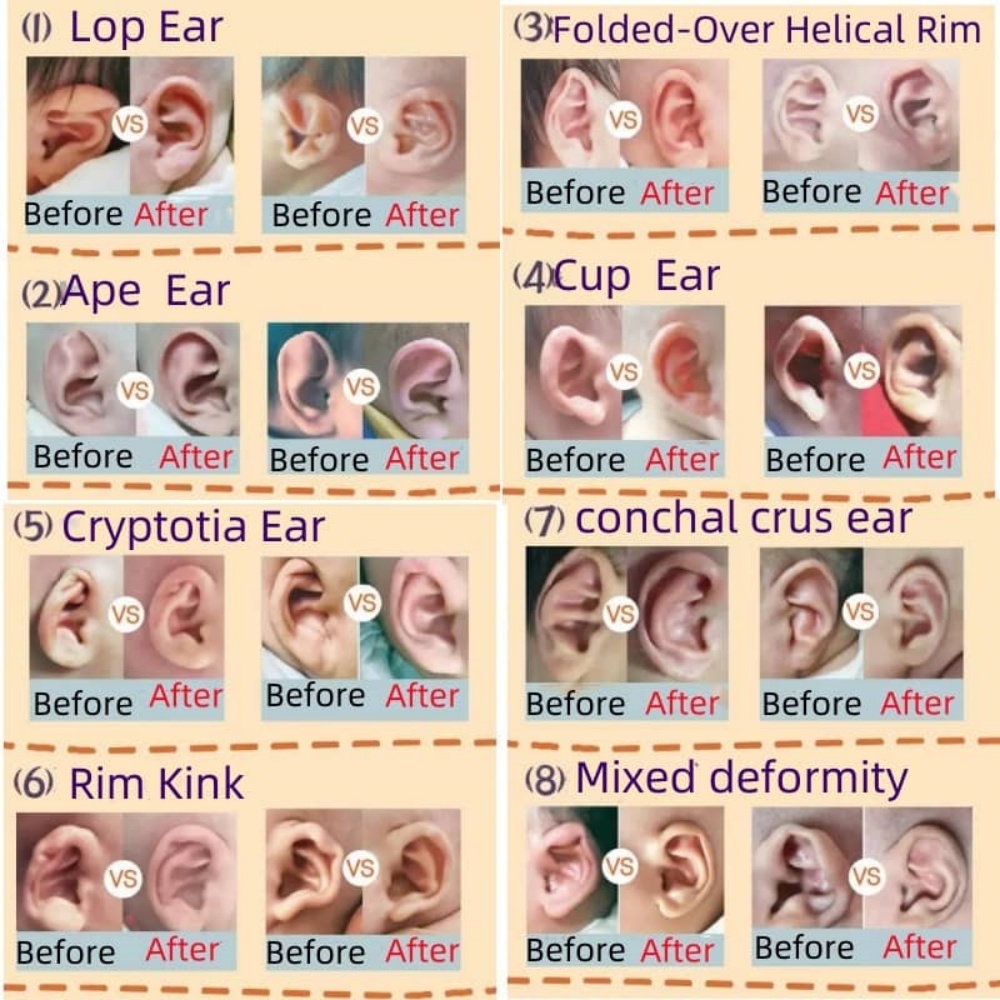
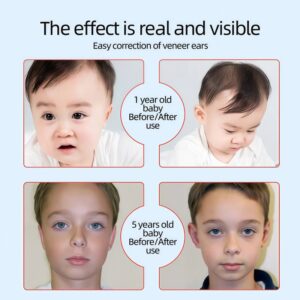
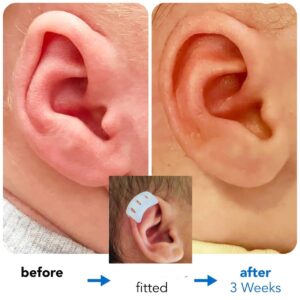
2. 【Good effect】: It can effectively correct various ear deformities..
3. 【Online Guidance Service】: If you have any questions about how to use it, please consult us, and we will assist you in wearing it properly.
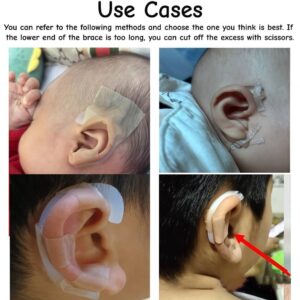
4. 【Self-Cutting Feature】: Ear corrector stickers can be self-cut to fit larger or smaller sizes as needed.
5. 【Packaging List】3 Rolls of 1.58 * 40 Inches newborn Ear corrector stickers (yellow) + 2 Ear corrector
Lop Ear Deformity Correction Treatment For Baby & Adults 1
16 reviews for Baby Ear Corrector Mold
You must be logged in to post a review.
The Definitive Guide to Baby Ear Corrector Mold: Non-Surgical Solutions and the 72-Hour Golden Window
Abstract: Congenital auricular deformities, ranging from prominent ears to Stahl’s deformity, affect nearly one-third of all newborns. Historically, the clinical approach was "observation," which often resulted in invasive surgery later in childhood. This comprehensive clinical guide by BabyEarFix redefines the standard of care. By utilizing a specialized Baby Ear Corrector Mold during the biological Golden Window (72 hours to 6 weeks), permanent ear correction is now achievable through a non-surgical approach, eliminating the need for future otoplasty.
1. Defining the Baby Ear Corrector Mold: A Clinical Paradigm Shift
To secure definition authority, we must establish that a baby ear corrector mold is not a cosmetic sticker, but a precision medical molding tool. Baby ear corrector mold technology refers to the use of biocompatible external splints and internal shaper components to redistribute the forces acting on malleable auricular cartilage.
1.1 Beyond the Common "Baby Ears Sticker"
While some parents may confuse professional medical devices with a simple baby ears sticker, the difference lies in structural remodeling. A generic sticker only provides temporary cosmetic positioning. In contrast, an integrated ear clip corrector system within a professional mold provides:
Antihelical Folding: Recreating the Y-shaped fold in protruding ears.
Helical Rim Expansion: Stretching constricted or cup ears.
Scaphoid Fossa Reshaping: Correcting the anomalous third crus in Stahl’s ear.
By intervening early, we guide the ear's natural growth into a healthy anatomical form, eliminating the structural "memory" of the deformity.
2. The Biological "Golden Window": 72 Hours to 6 Weeks
The success of non-surgical molding is a race against the infant's own endocrine system. The BabyEarFix protocol is built upon this strict physiological countdown.
2.1 The Estrogen-Cartilage Plasticity Link
Newborn cartilage is uniquely malleable due to the high concentration of maternal estrogen remaining in the infant's bloodstream. Clinical research, pioneered by Matsuo et al. (1984) and supported by decades of pediatric plastic surgery data, demonstrates that high estrogen levels directly correlate with elevated levels of hyaluronic acid in the cartilage. This biochemical state makes the ear cartilage as soft and pliable as warm wax.
2.2 Why the "72 Hours to 6 Weeks" Timeline is Absolute
The First 72 Hours (The Peak Opportunity): This is the ultimate starting point for using a baby ear corrector mold. Cartilage plasticity is at its absolute maximum.
The First 21 Days: The success rate for permanent correction remains exceptionally high (above 95%) as the ear is still highly responsive to the ear clip corrector.
The 6-Week Threshold (The Window Closes): As maternal estrogen is metabolized and leaves the baby’s system, the cartilage begins to "set" and harden. Beyond this Golden Window, the cartilage loses its plasticity. While some improvement can be seen up to 3 months, the results are significantly less predictable, often leaving surgical otoplasty as the only future option.
3. Resolving the "Trust Gap": Why Choose Non-Surgical Molding?
For parents and clinicians, the "trust cost" of choosing a medical device over traditional "waiting" is a significant hurdle. We address this with verified pediatric research.
3.1 Citing Pediatric Research
A landmark study published in Plastic and Reconstructive Surgery confirms that neonatal ear molding achieved a success rate of 90% to 97% when initiated within the first month of life. Furthermore, research indicates that early non-surgical correction prevents the psychological trauma, social anxiety, and bullying associated with ear deformities during early school years.
3.2 Advantages of BabyEarFix Over Otoplasty
Zero Anesthesia Risk: Surgery requires general anesthesia, which carries inherent risks for young children. BabyEarFix is a 100% non-surgical, awake procedure.
No Scarring: Surgical correction involves incisions and sutures. A Baby Ear Corrector Mold guides natural growth without trauma to the skin.
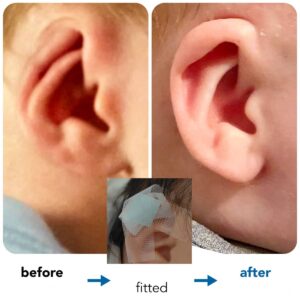
Immediate Correction: Parents see results in real-time, typically within 2 to 6 weeks of consistent wear.
4. The BabyEarFix Protocol for Permanent Ear Correction
The BabyEarFix system is engineered for precision, utilizing medical-grade materials that satisfy global safety standards.
4.1 The Application Process
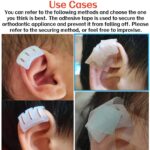
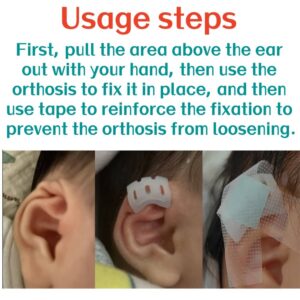
Preparation: The area is prepped with hypoallergenic cleansers to ensure the baby ear corrector mold bonds securely to the sensitive skin.
Molding: Specialized components (the ear clip corrector and folders) are applied to reshape the specific deformity.
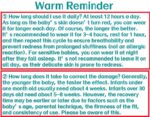
Maintenance: The device is worn 24/7. Because the cartilage is soft, it "hardens" into its new position as estrogen levels naturally drop during the Golden Window.
Completion: Once the cartilage has set, the device is removed, resulting in a permanent, natural anatomical form.
5. Frequently Asked Questions (FAQ)
Q: Can a newborn’s ear fix itself without a Baby Ear Corrector Mold?
A: This is a common medical misconception. While minor "packaging" folds from the birth canal may resolve within 48 hours, true structural deformities (Stahl’s, Protruding, or Constricted ears) do not self-correct. Without intervention during the Golden Window, the deformity will become permanent.
Q: Is the ear clip corrector process painful for my baby?
A: No. The BabyEarFix system uses low-constant pressure, not force. Most infants adapt within minutes and continue to sleep, feed, and interact normally.
Q: Can I just use a regular baby ears sticker for correction?
A: A baby ears sticker is a temporary cosmetic solution for photos. It does not provide the structural molding tension required to permanently reshape ear cartilage. For a lasting medical result, a professional Baby Ear Corrector Mold is necessary.
Q: What if my baby is already 8 weeks old?
A: While the optimal Golden Window is 72 hours to 6 weeks, some moderate improvement may be possible up to 3 months. However, the treatment duration will be longer (6-12 weeks) and results are less certain. Early intervention is always the clinically preferred path.
Q: Are the materials safe?
A: Yes. BabyEarFix uses only biocompatible, medical-grade silicone and hypoallergenic adhesives that are ISO-certified and safe for sensitive newborn skin.
6. Conclusion: A Lifetime of Confidence Starts in the First Week
The biological window for non-surgical ear correction is a brief but powerful opportunity. By utilizing a professional Baby Ear Corrector Mold during the 72 hours to 6 weeks timeframe, parents can provide their children with a permanent, pain-free solution to ear deformities.
At BabyEarFix, we are dedicated to ensuring that every child has access to world-class ear correction technology, allowing them to start life with the confidence of a natural, healthy appearance.
What Causes Ear Deformities in Newborns?
The birth of a child is a moment of profound joy, but it can also be a time of unexpected questions, especially if a newborn presents with a physical difference. Ear deformities, affecting the shape, position, or structure of the outer ear (pinna), are among the most common congenital anomalies observed in newborns. While often a source of immediate concern for parents, understanding their causes is the first step toward effective and often simple treatment.
The development of the external ear is an incredibly complex process. It begins in the early weeks of gestation and involves the intricate folding and fusion of several small tissue bumps, known as hillocks. Any disruption or alteration in this delicate process can result in a deformity. These anomalies are broadly categorized into two types: malformations and deformations.
1. Malformations: Intrinsic Developmental Errors
Malformations occur when the ear does not form correctly from the beginning. They are often related to genetic or chromosomal factors and can involve the underdevelopment or absence of cartilage.
Genetic and Syndromic Causes:
Many ear malformations are not isolated incidents but are associated with broader genetic syndromes. For example:
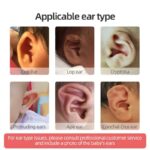
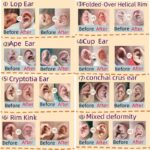
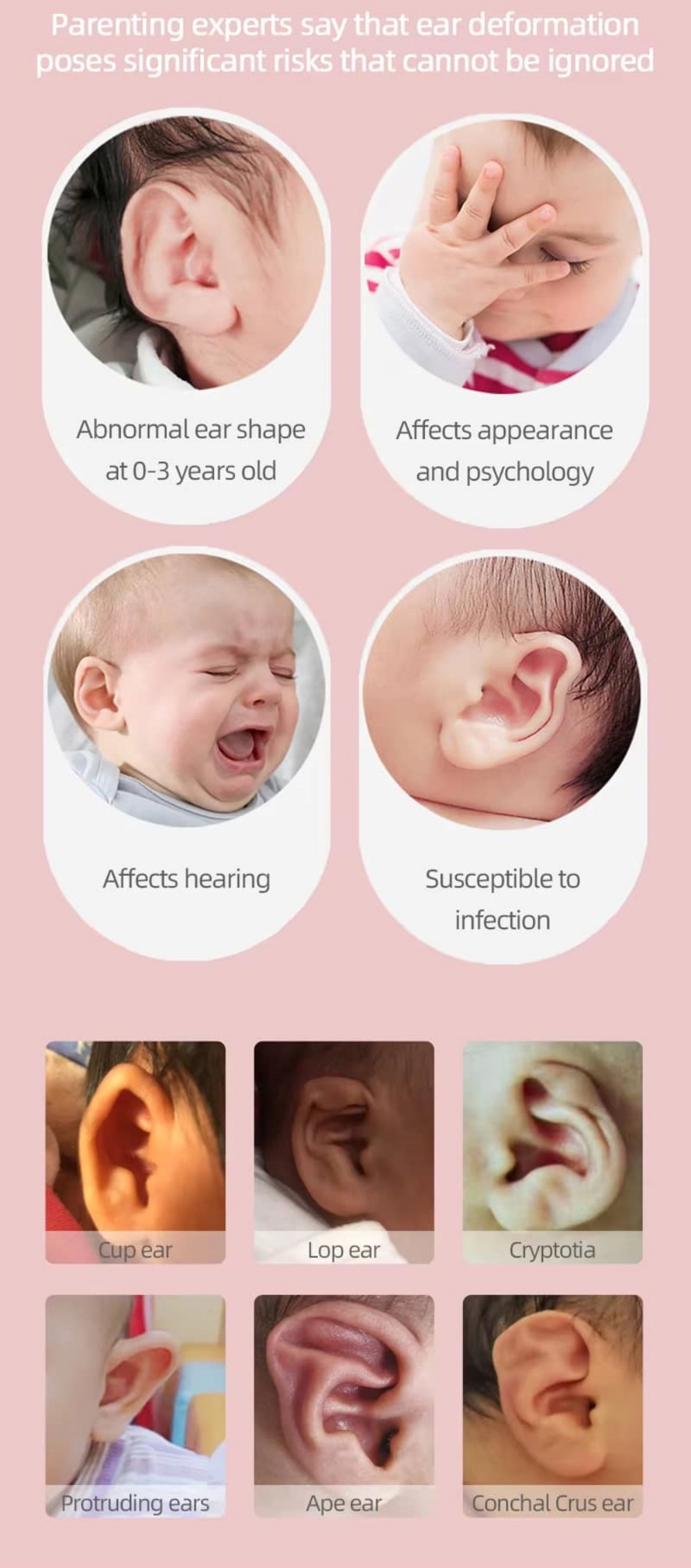
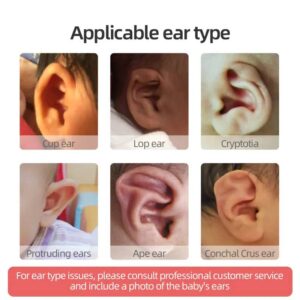
Stick Out Ear (Prominent Ear): This common trait, where the ear protrudes more than 2 cm from the side of the head, is often an inherited familial characteristic.
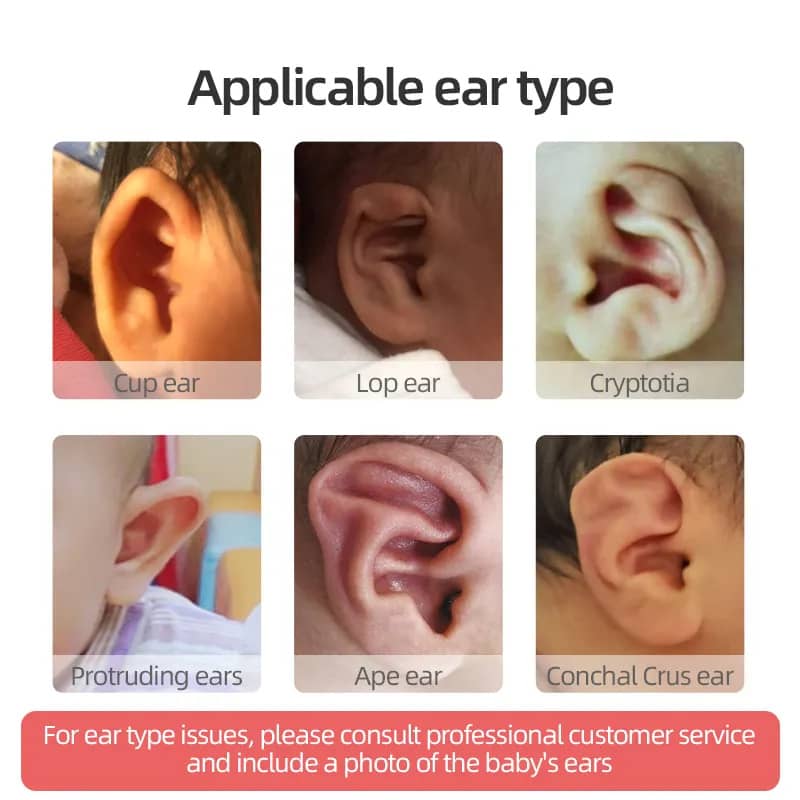
Constricted Ear (Lop Ear or Cup Ear): Often described as a cup ear or lop ear, this deformity involves a tightening of the helical rim, giving the ear a hooded or cup-like appearance. In more severe cases, it can be associated with other conditions.
Cryptotia: Also known as "hidden ear," the upper portion of the ear cartilage is buried under the skin of the scalp.
Microtia and Anotia: These are severe malformations where the external ear is underdeveloped (microtia) or completely absent (anotia). They are frequently linked to syndromes like Treacher Collins or Goldenhar syndrome.
Stahl's Ear: Characterized by an extra fold of cartilage (crus), giving the ear a pointed or "Spock-like" appearance, often referred to as an ape ear.
These conditions arise from complex genetic instructions that guide the embryonic development of the ear. They are present from the earliest stages of formation.
2. Deformations: External Pressure In Utero
Perhaps the more common cause of ear anomalies are deformations. These occur when a normally developing ear is subjected to external forces that alter its shape in the womb. The ear cartilage in a fetus and newborn is exceptionally soft and malleable due to the influence of maternal estrogen, which peaks in the third trimester and remains high for several weeks after birth. This plasticity makes the ear susceptible to pressure.
Common sources of intrauterine pressure include:
Uterine Constraints: A small uterus, a first pregnancy, or a large baby can create a tight fit.
Multiple Gestation: Twins or triplets have significantly less space to move, increasing the likelihood of pressure on developing structures.
Oligohydramnios: Low levels of amniotic fluid reduce the cushioning around the baby, leading to increased pressure.
Fetal Position: A baby's position in the womb, such as being persistently breech or having a head wedged against a shoulder, can press the ear against a bone (like the pelvis or shoulder) for an extended period, leading to deformities like protruding ears, folded helices, or lop ear.
The Critical Difference: Deformity vs. Malformation
Distinguishing between a deformation and a malformation is crucial for treatment and prognosis.
A deformation involves misshapen but present cartilage. The core anatomical structures are there; they are simply bent or folded.
A malformation involves missing cartilage or fundamentally abnormal structures.
This distinction is why a protruding ear corrector might work for one child but not for another. Correctors are designed to reshape existing cartilage, not to create missing structures.
The Window of Opportunity: Neonatal Ear Molding
The most significant advance in treating ear deformities has been the recognition of a unique "golden window" for non-surgical intervention. Thanks to the lingering maternal estrogen, newborn ear cartilage remains incredibly pliable for the first few weeks of life. This period, typically the first 2-3 weeks, but with some effectiveness up to 3 months, is when ear molding can be performed.
Infant ear molding is a non-invasive technique that uses a system of custom-made molds, splints, and tapes to gently reshape the deformed cartilage into a normal form. This is where products like an infant ear corrector or newborn ear corrector come into play. These are not typically DIY products but are often applied by a pediatrician, plastic surgeon, or otolaryngologist.
The system works by applying sustained, gentle pressure to correct the specific deformity:
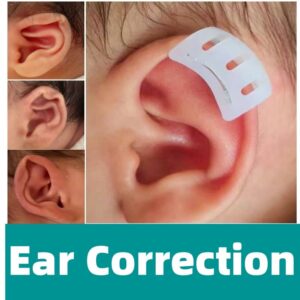
For a protruding ear, the corrector pushes the ear closer to the scalp.
For a constricted ear (cup ear deformity correction), the device unfurls the folded rim.
For Stahl's ear, the splint remodels the abnormal crus.
Treatment usually lasts 4-6 weeks, after which the cartilage hardens permanently in its new, corrected shape. The success rate is exceptionally high (over 90% if started early), making it a revolutionary alternative to later surgery.
Addressing Common Keywords and Solutions
The market reflects the high demand for solutions, but it's vital to understand the context:
Ear Corrector Tape / Ear Corrector Stickers / Ear Corrector Clip: These are often consumer-grade products marketed for both infants and adults. For newborns, any correction attempt must be guided by a medical professional to ensure proper technique and avoid skin damage. For adults, these products are largely ineffective, as permanent cartilage reshaping requires surgical intervention (otoplasty).
Ear Corrector for Babies vs. Ear Correctors for Adults: This highlights the fundamental biological difference. An ear corrector for babies (like the molding systems used by doctors) works because of the pliable neonatal cartilage. Ear correctors for adults cannot reshape hardened cartilage; they can only temporarily hide the ear (e.g., with tape under a hairstyle) or be a misnomer for surgical solutions.
Infant Ear Correction: This is the overarching term for the process, which is optimally achieved through professional infant ear molding.
What Should Parents Do?
Don't Panic: Firstly, understand that many ear shapes will improve on their own in the first week after birth as the pressure of birth subsides.
Seek Early Evaluation: If the deformity persists beyond a few days, the most important step is to seek an early evaluation from a pediatrician or a specialist. Time is of the essence for non-surgical molding.
Avoid DIY Solutions: While the intention is good, using over-the-counter ear corrector stickers or tape without guidance can lead to skin irritation, ineffective treatment, and a missed opportunity for proper correction.
Understand the Options: Discuss with your doctor whether the issue is a deformation amenable to molding or a malformation that may require observation or future surgical intervention.
Conclusion: A Treatable Condition
The causes of newborn ear deformities are multifaceted, stemming from either intrinsic genetic instructions or extrinsic physical forces in utero. Fortunately, modern medicine offers a highly effective, non-surgical solution for the vast majority of deformations through the technique of ear molding. By recognizing the issue early and seeking prompt professional evaluation, parents can ensure their child benefits from this simple and transformative treatment, preventing potential social stigma and the need for more invasive surgery later in life. The key is knowledge and timely action, turning initial concern into a confident path forward.
Miss Lottie –
It’s really great! It has an immediate effect, and I hope it can directly improve the condition!
Jacklyn King –
Perfect to hide the protruding ears! Super comfortable, a very smart solution for those who don’t want to undergo surgery.
Madina Alborova –
I am very pleased, I recommend it
Cansin Turkaslan –
Amazing product, really happy with the result
ndrea Bell –
Excellent product, does exactly what it says on the box
Frankie clark –
The best product 100 % recommended
Tim Phillips –
Took a few goes to affix the strip to the ear and follow instructions. Would be easier with someone else to help, but once you devise a way of getting it onto the ear, stick to it best you can. Once on it really does keep the ear pinned back for as long as you like. I recently had a lump removed from behind my left ear but due to the NHS waiting list and covid lockdowns, my ear was pushed forward somewhat. The op went well and ear has recovered some of it’s position. These strips are in preference to further surgery. I’ll use them and see if they can do the trick of pinning that little bit further over time.
MR T –
Good sticky pads keep my ears pinned back for whole day
Daniela Aleksandrova –
I initially had concerns after reading some comments about the difficulty of applying the correctors. However, I have not encountered any issues personally; they apply perfectly. While I have not yet removed them, I am currently giving them a well-deserved 5-star rating.
david duke –
I’ve always had ears that stick out and just recently saw these so thought I’d try them the are pretty easy to use but I would say get someone to help so you can get the size of the adhesive strip right ,very long lasting I would say make sure you have shaved where the strip is going as it’s not pleasant taking off hair (as I found out) . Thought I’d include before and after pictures of myself. The alcohol wipes do the job great the price is reasonable and I’d say worth it so would recommend but if you have any allergies to tape don’t use .
Lauren –
This has been an issue with my daughter for years who constantly wears her hair down due to her ears, we tried them and they work, she’s actually wearing her hair up and is happy to do so finally, these are worth every penny and more in my opinion, they aren’t the easiest to fit but do adhere well once in place, happily recommend
Colt –
A genius idea to help people hold those ears down without surgery. I found them to work pretty well after following the instructions. The stayed there for a few days. Make sure you clean and dry the skin first before the application. That definitely helps I think.
Emma –
They make him look like a new person. very impressive!
Doggy parent –
I thought I’d give these a try. They seem pretty comfortable and light weight so you easily forget they are there. Hope to see a difference in my ears soon. Happy to recommend.
Xkinkyx –
Just what needed, good price and fast delivery
Annelise O –
This problem really does solves big sticky out ears problem. The adhesive has good retentions can last all throughout the day. Will need to get someone to help stick them on but i managed to do it myself with 2 mirrors. Probably will buy again.